
Every year, more people step away from their routines and book a wellness retreat. Some choose a five-star spa in Switzerland. Others fly to Kerala for Panchakarma. Both promise healing — yet what they deliver is strikingly different. If you are comparing an ayurveda retreat vs western wellness retreat, this guide breaks it down honestly: philosophy, therapies, timelines, cost, and long-term results.
Whether you are an NRI looking to reconnect with traditional medicine, or a first-time wellness traveller unsure where to invest your money, read this before you book anything.
Ayurveda Retreat vs Western Wellness Retreat: Core Philosophy
Western wellness retreats centre on symptom management and rest. You arrive depleted, receive massages, sleep well, eat clean, and leave refreshed. That is genuinely valuable — however, those results rarely last. Once you return to your regular routine, the stress, the poor sleep, and the digestive issues come back with it.
An Ayurveda retreat, by contrast, starts with identifying your Prakriti — your unique mind-body constitution. Every therapy is then built around your specific Dosha imbalance rather than a generic wellness menu. Consequently, the goal is not to make you feel better for a week. Instead, it is to correct the root cause of the problem.
Ayurvedic physicians in India complete a five-year BAMS degree (Bachelor of Ayurvedic Medicine and Surgery), and many senior practitioners add a post-graduate MD Ayurveda qualification on top of that. This is structured medical education — not spa certification.
For those wanting to understand how Ayurvedic principles differ from conventional medicine, DeshSansaar has a clear, evidence-led guide on whether Ayurveda is effective or just marketing — written specifically for NRIs and global Indians navigating this decision.
What Happens at Each Type of Retreat: A Side-by-Side Look
What a Western Wellness Retreat Actually Offers
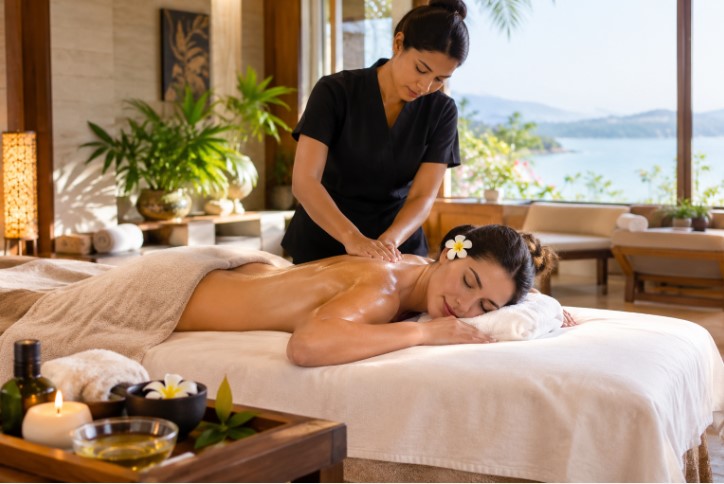
A typical week at a Western wellness resort includes Swedish or deep-tissue massages, nutritionist-designed meal plans, and group yoga or Pilates sessions. Guests can also attend meditation and mindfulness workshops, book spa treatments such as facials, body wraps, or hydrotherapy, and meet with a fitness consultant for an optional personal training session.
The experience is polished and genuinely comfortable. Facilities are luxury-grade, and the schedule is usually flexible — you choose the classes and treatments that suit you. That flexibility, however, often works against deep healing. Without a structured protocol, recovery becomes inconsistent and results vary widely from guest to guest.
What an Authentic Ayurveda Retreat in India Provides

A properly run Ayurveda retreat starts before you even leave home. Most credible centres ask for a detailed health history prior to arrival. On your first day, you meet an Ayurvedic physician for a pulse diagnosis (Nadi Pariksha) and a thorough constitution assessment.
From that point forward, every element of your stay is built around your specific Dosha profile. Herbal oils are selected to match your body type — never pulled from a generic spa menu. Daily therapies such as Abhyanga, Shirodhara, Swedana, and Kizhi are medically prescribed by the physician, not offered as paid upgrades. All meals are cooked to support your digestive fire (Agni) and Dosha balance. Yoga and pranayama sessions are conducted in small groups or individually, and on departure you receive a prescription of herbal medicines to continue at home.
MorningSun connects verified Ayurveda retreats across Kerala, Goa, Rishikesh, and Tamil Nadu. Browse reviewed listings at the Ayurveda & Wellness retreat directory and filter by region and program type.
Ready to explore authentic Ayurveda retreats?
Wellness Tourism Comparison: Cost, Value, and What You Actually Get
Cost is frequently the deciding factor — and here, the gap between an Ayurveda retreat and a Western wellness retreat is substantial.
| Factor | Western Wellness Retreat | Ayurveda Retreat (India) |
| Cost (7 nights) | $3,000–$8,000+ | $400–$1,500 |
| Doctor involvement | Nutritionist / GP | Qualified Ayurvedic physician |
| Treatment personalisation | Moderate | High — Dosha-specific throughout |
| Duration for real change | Relaxation only | 7–28 days depending on condition |
| Post-retreat support | Rarely included | Herbal medicines + follow-up plan |
| Cultural immersion | None | Deep — food, rituals, daily practice |
For NRIs and international visitors, the financial advantage of an Indian Ayurveda retreat is dramatic. A 14-day Panchakarma program in Kerala — including accommodation, all meals, daily therapies, and physician consultations — typically costs less than two nights at a premium Swiss wellness hotel.
To understand what a personalised wellness plan looks like before committing to a retreat, MorningSun’s Personalised Wellness Programs page walks through the structure of tailored programs — from stress and sleep recovery to lifestyle disease management.
Traditional vs Modern Wellness: What Research and Practice Actually Show
The conversation around traditional vs modern wellness has shifted significantly over the last decade. Global health institutions are now funding Ayurveda research at a scale that would have been unusual even ten years ago.
The National Centre for Complementary and Integrative Health (NCCIH) recognises Ayurveda as a complete medical system, with growing clinical research supporting its role in chronic disease management, stress, and metabolic disorders.
Modern Western wellness, meanwhile, excels at immediate comfort. High-end retreats deploy science-backed topical treatments, sleep optimisation technology, and structured fitness programmes. For someone recovering from acute burnout, a week in that environment can genuinely reset the nervous system.
Nevertheless, when the problem is chronic — years of accumulated stress, hormonal disruption, gut dysfunction, joint inflammation — a short Western retreat rarely addresses the root. Ayurveda’s longer intervention timelines (14–28 days for a meaningful Panchakarma) exist precisely because deep systemic change is not fast.
For those managing specific chronic conditions, MorningSun’s Ayurveda for Health Conditions section covers how retreats handle arthritis, diabetes support, hormonal imbalance, and digestive disorders through structured clinical Ayurveda programs.
The Retreat Experience: Daily Structure at an Ayurveda Retreat vs Western Retreat
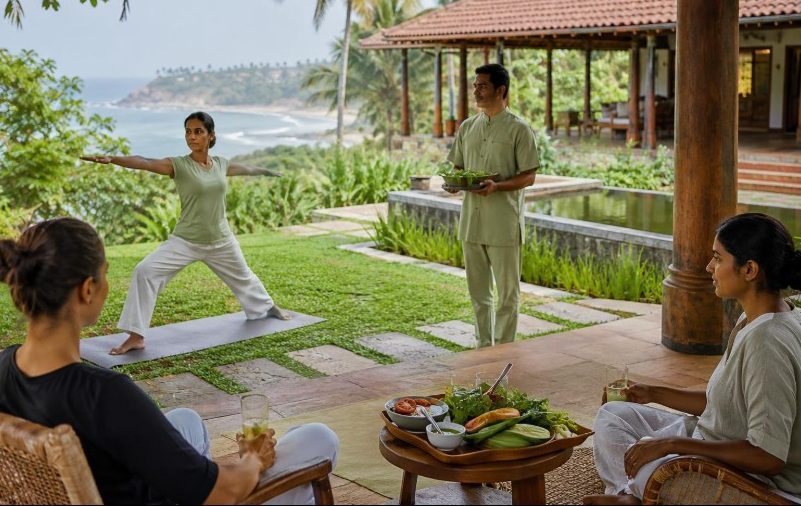
Daily Life at a Western Wellness Retreat
The standard Western wellness retreat prioritises luxury and personal choice. Think heated pools, cold plunge therapy, silence hours, and gourmet plant-based menus. Guests typically build their own schedule — selecting sessions when they feel like attending, skipping treatments they find uncomfortable.
That freedom sounds appealing. In practice, though, it often means guests leave without achieving the results they came for. Healing without structure is a hit-or-miss experience.
Daily Life at an Authentic Ayurveda Retreat in India
An authentic Ayurveda retreat follows a rhythm that is deliberate and intentional. Wake before sunrise. Gentle yoga or pranayama. A Dosha-appropriate breakfast. Morning therapies conducted by trained therapists under direct physician supervision. A light afternoon rest. Evening meditation. Dinner served early enough to support digestion properly.
This structure is not a restriction — it is part of the medicine. The rhythm of the day itself becomes a healing tool.
Among all Indian destinations, Kerala remains the most established for Panchakarma specifically. Goa combines coastal environment with classical therapies. Rishikesh integrates Ayurveda with Himalayan yoga and spiritual practice. Tamil Nadu is home to some of India’s oldest Ayurvedic institutions.
MorningSun’s listings cover all four regions. Explore Kerala Ayurveda Retreats, Goa Ayurveda Resorts, and Rishikesh & Himalayan Retreats through verified listings with transparent pricing and program details.
See verified Ayurveda retreat listings across India
Choosing the Right Retreat: Ayurveda Retreat or Western Wellness Program?
An Ayurveda retreat in India is particularly well-suited for NRIs and diaspora seeking to reconnect with Indian healing traditions in a clinically credible setting. Chronic conditions — fatigue, joint pain, gut dysfunction, hormonal imbalance — that have not resolved with standard treatment respond well to a Dosha-specific protocol. Professionals recovering from burnout gain far more from a structured 14-day program than from a short rest break. Beyond recovery, anyone prioritising lasting lifestyle change over short-term symptom relief, or curious about Panchakarma as an annual preventive reset, will find the Ayurveda retreat format genuinely transformative.
When a Western Wellness Retreat Makes More Sense
A Western wellness retreat works better for someone who needs a structured break from routine without committing to a longer Ayurvedic protocol. First-time wellness travellers testing the space before a more serious commitment will find this a comfortable entry point. Corporate professionals who want structured fitness programming alongside relaxation, or those combining wellness with leisure travel and wanting a luxury resort setting, are also well served by what Western retreats deliver.
Both styles have genuine value. The honest assessment is simply this: when the problem has been with you for months or years, a seven-day spa holiday is unlikely to resolve it.
The NRI Perspective: Why an Ayurveda Retreat Means More Than Just Healing
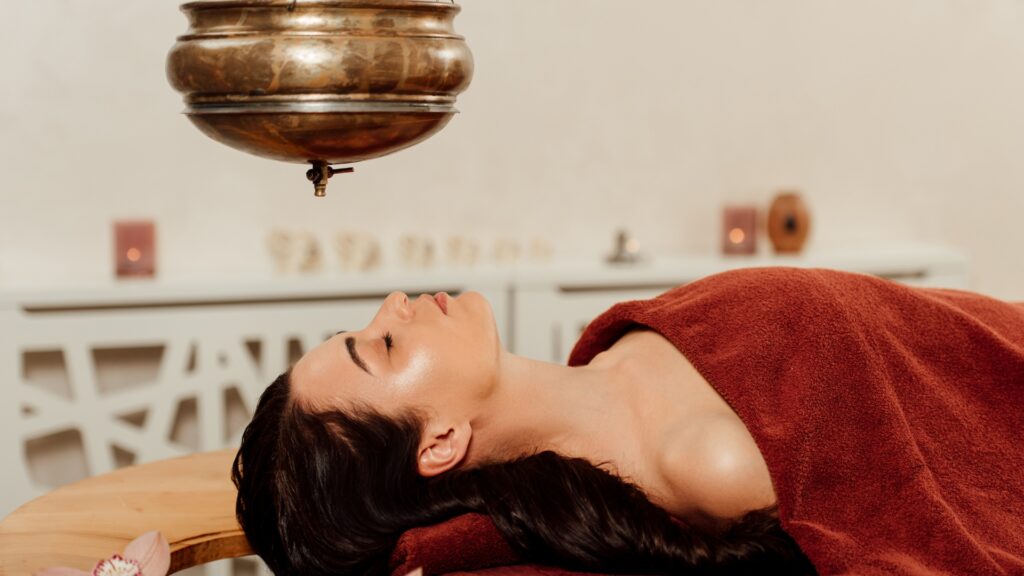
For the Indian diaspora spread across the UK, USA, Canada, Australia, and the Gulf, booking an Ayurveda retreat is rarely just a health decision. It is also a reconnection. Returning to India for a 14-day Panchakarma in Kerala or a week in Rishikesh carries cultural weight — familiar food, familiar rituals, and a healing system that has lived in the family’s memory for generations.
What has changed is the infrastructure. Many Ayurveda centres now cater specifically to international guests: English-speaking physicians, airport pickups, international dietary options, and pre-arrival teleconsultations. Moreover, the journey from first enquiry to departure is far smoother than it was even a decade ago.
If you are an NRI weighing whether to pursue Ayurvedic care in India, DeshSansaar’s Ayurveda Explained section provides clear, evidence-grounded guidance — covering what Ayurveda actually treats, how to identify credible centres, and what to realistically expect from a first visit.
Additionally, for those wanting to maintain an Ayurvedic daily routine at home between retreats, Advik Ayurveda’s natural skincare range offers herbal bath, body, and skin formulations — clean, chemical-free products that complement the Dosha-aware lifestyle most retreat physicians encourage guests to carry home.
Can’t travel yet?
Start your Ayurveda journey online
After the Retreat Ends: Results From an Ayurveda Retreat vs Western Wellness Stay
What Changes After a Western Wellness Retreat
Most guests return home relaxed and genuinely refreshed. Sleep quality improves for two to three weeks. Dietary habits shift slightly. A number of guests pick up a yoga or meditation practice they started during the retreat. Without a structured follow-up plan, however, old patterns typically return within a month, and the baseline stress creeps back in.
What Changes After an Ayurveda Retreat in India
A properly run Ayurveda retreat sends you home with a clear protocol: which foods suit your Dosha, which herbal medicines to continue, what daily routines to maintain, and when to return for a seasonal cleanse. The retreat itself is the beginning of a practice — not the end of one.
MorningSun’s Deep Detox Programs and Seasonal Detox Programs pages explain exactly how this ongoing approach works — and why many guests return to the same Ayurveda centre every year for an annual Panchakarma cleanse.
For those wanting to extend the benefits of an in-person retreat into everyday life, MorningSun’s 12-Week Lifestyle Reset is an online program covering Dosha-specific diet, daily routine, and lifestyle guidance — designed to keep the retreat results working long after you return home.
Retreat Style Comparison: Ayurveda Retreat vs Western Wellness Retreat at a Glance
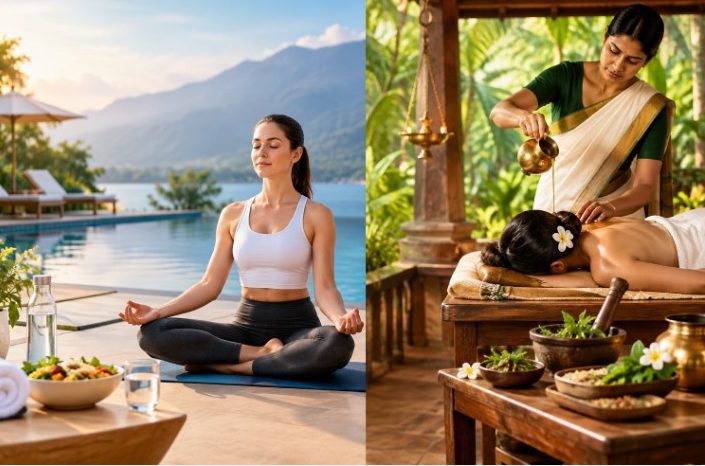
Here is how the two retreat styles compare across the factors that matter most for a wellness traveller making a considered choice.
Purpose: Western retreats prioritise rest and short-term recovery, while Ayurveda retreats aim for systemic healing and lasting lifestyle change. On personalisation: Western retreats operate from general wellness menus, whereas Ayurveda retreats are built entirely around your individual Dosha assessment.
Physician involvement: a Western retreat may include a nutritionist, but an Ayurveda retreat requires a qualified physician to prescribe every therapy. On duration: Western retreat benefits typically last 2–4 weeks, while Ayurveda retreat benefits — particularly after Panchakarma — can sustain for several months.
Cost: Western retreats charge significantly more for a comparable or shorter experience. On follow-up: Western retreats rarely provide one, whereas Ayurveda retreats send you home with a specific post-retreat protocol covering diet, herbal medicines, and daily routine.
You can also read MorningSun’s detailed guide on Panchakarma Detox in India to understand exactly what the process involves — from the preparation phase through the five main cleansing procedures and the post-treatment recovery period.
Need help choosing the right retreat?
We’ll match you with a verified centre
Conclusion
Choosing between an Ayurveda retreat and a Western wellness retreat is not really about which is superior. Ultimately, it is about what you actually need.
A Western wellness retreat reliably delivers luxury rest, clean food, and a temporary reset — and for some people, that is exactly the right call. However, if the issue is chronic — accumulated fatigue, hormonal imbalance, joint inflammation, years of unmanaged stress — an Ayurveda retreat in India offers a depth of clinical personalisation and systemic healing that a spa holiday simply cannot replicate.
The wellness tourism comparison comes down to this: one approach makes you feel better for a while. The other tries to change the underlying conditions that made you unwell in the first place.
MorningSun’s verified listings and wellness programs make it straightforward to find the right Ayurveda retreat for your goals. Start by browsing the Ayurveda & Wellness listings, or consider starting online through the Online Lifestyle Correction for NRIs program if you are not yet ready to travel.
FAQs:
Ayurveda treats the root cause of imbalance. A Western wellness retreat focuses on rest and temporary symptom relief.
Yes. Reputed centres provide English-speaking physicians and structured international guest protocols from arrival to departure.
At least 7 days for stress relief; 14–21 days for Panchakarma or managing a chronic condition properly.
Not always. Shorter programs focus on rejuvenation. A full Panchakarma cleanse requires 14–28 days minimum.
Yes. Most verified centres offer pre-travel teleconsultation and airport coordination for international guests.
India: $400–$1,500 for 7–14 days. Western retreats for a similar duration typically start from $3,000 and go much higher.
Follow the physician’s home protocol: prescribed diet, herbal medicines, and a Dosha-aligned daily routine.
Yes. MorningSun’s online programs and coaching services are specifically designed to extend retreat results into daily life.
Comments