
Finishing cancer treatment is a big moment. But many people feel a quiet gap right after it. The scans are done, the hospital visits slow down, and the body still feels tired. Sleep is poor. Food has no taste. The mind keeps asking, “What now?”
This is where ayurveda post cancer recovery fits in. It is not a replacement for oncology care. It is a supportive layer that focuses on digestion, strength, sleep and calm. This guide explains what is reasonable to expect, what to avoid, and how to plan a safe program in India, whether you live here or abroad.
What Ayurveda can and cannot do after cancer
Let us be clear first. There is no reliable evidence that Ayurveda treats cancer or stops it from returning. Your surgery, chemotherapy, radiation or targeted therapy must stay in the hands of your oncology team. Modern care at a centre listed under oncology treatment in India remains the foundation.
What Ayurveda can do is support the person, not the disease. A good practitioner looks at appetite, bowel habits, sleep, energy, mood and body type. Then they build a gentle plan around those daily problems. This is called ayurvedic supportive therapy, and it works best when it runs alongside conventional follow-up, not against it.
Large cancer bodies treat this kind of approach as complementary care. The National Cancer Institute’s overview of complementary approaches explains the difference between complementary and alternative care in plain words.
Who this guide is for
This guide is for three groups of readers:
- Survivors in India who finished treatment and want a structured recovery plan.
- NRIs and international patients who plan to travel to India for a recovery stay.
- Family members who manage care for a parent or spouse and need clear, safe steps.
If you are abroad, you do not need to start with a flight. Many programs begin with an online review. MorningSun’s online lifestyle correction for NRIs is one such starting point.
Not sure where to begin?
Share your treatment summary and goals, and the MorningSun team will guide you to suitable recovery options.
Step one: involve your oncologist
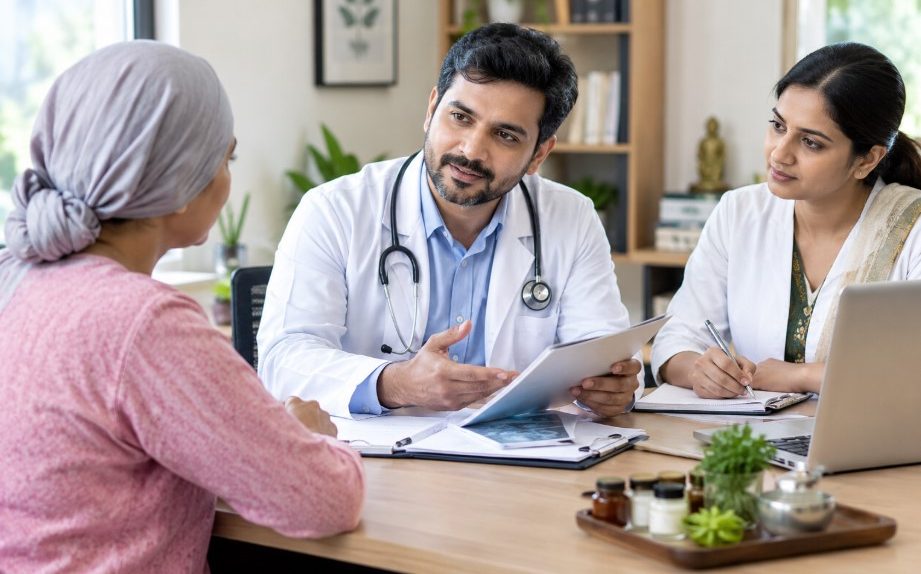
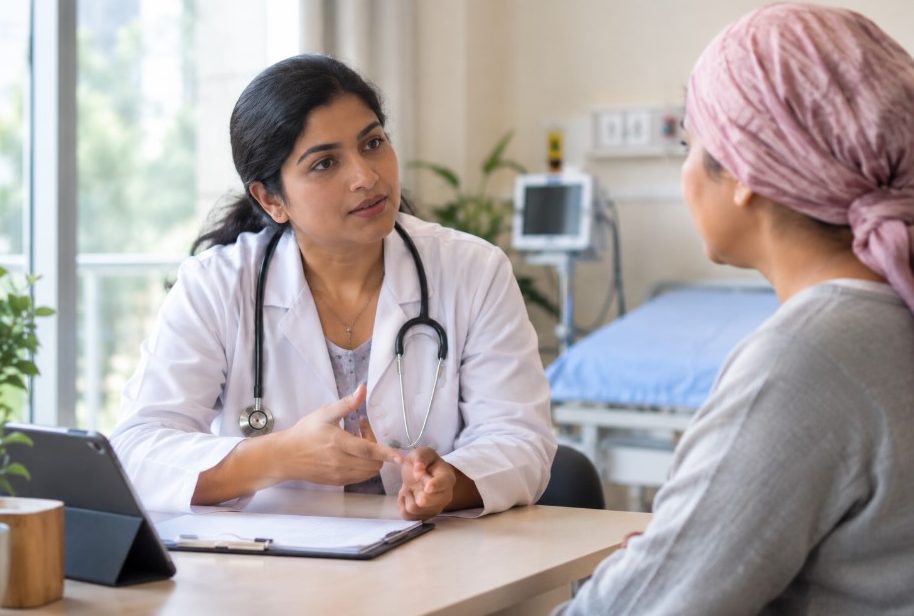
Before any herb, oil or therapy, talk to your oncologist. This is not a formality. Some herbs change how the liver handles drugs. Some can affect blood counts or clotting. Timing matters too, because the body needs time to heal after chemotherapy or radiation.
Take these items to both your oncologist and your Ayurvedic doctor:
- Your diagnosis, stage and treatment dates.
- Names and doses of all current medicines and supplements.
- Latest blood reports, especially liver, kidney and blood counts.
- Any side effects you still have, such as numbness, nausea or mouth sores.
A second look can also help. If you feel unsure about your follow-up plan, a second medical opinion can give you clarity before you add anything new.
Ayurvedic supportive therapy: what a plan looks like

A recovery plan is built slowly. It starts with the basics and adds only what your body can handle.
Digestion first
Ayurveda treats digestion as the base of strength. After treatment, many people have a weak appetite, bloating or constipation. The plan often starts with warm, light, freshly cooked meals, small portions and regular timings. Spices like cumin, coriander and ginger are used in food, in modest amounts. Your doctor will check each one against your medicines. For ideas on structure, see MorningSun’s page on Ayurvedic diet planning.
Gentle bodywork
Light oil massage can ease stiffness and help you feel relaxed. Practitioners usually adjust pressure and avoid areas with fresh scars, radiation skin changes, or swelling. If you want to know what such sessions involve, read about Abhyanga and rejuvenation therapies.
Sleep and stress
Anxiety about scans and recurrence is real. Slow oil-based calming therapies, breathing practice and a fixed bedtime routine can help. Shirodhara and stress relief is one therapy used for this, and the stress and sleep recovery program shows how a longer routine can be built.
Wellness after chemotherapy: common problems and gentle responses
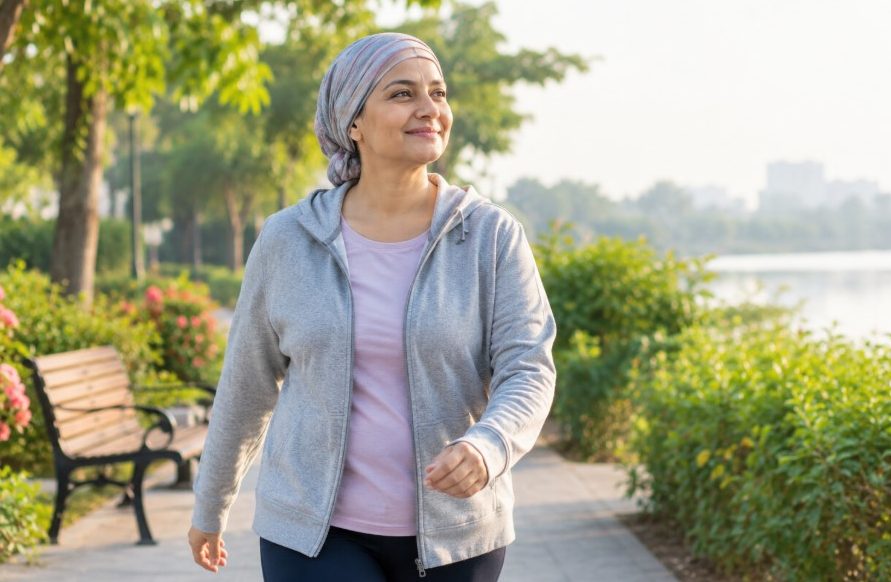
Wellness after chemotherapy is rarely about one big fix. It is about small, steady changes. Here are the problems survivors raise most often.
Fatigue
Rest is part of treatment. Short walks, daylight, regular meals and an early night often help more than any tonic. Avoid pushing hard on good days.
Poor appetite and taste changes
Small meals every three to four hours work better than three large ones. Warm soups, soft khichdi and lightly spiced rice dishes are easy on the stomach. Cold, heavy or fried food usually makes things worse.
Dry skin and thinning hair
Skin and hair often need extra softness after treatment. Choose simple, fragrance-light products and always patch-test first. Some survivors like plant-based basics such as the natural skin and hair care range from Advik Ayurveda. Check with your oncologist before using anything on radiated skin.
Low mood
Feeling low after treatment is common. Talk to your care team, a counsellor or a support group. Ayurvedic routines can add calm, but they should never replace mental health care.
Panchakarma cancer recovery: what is safe and what is not
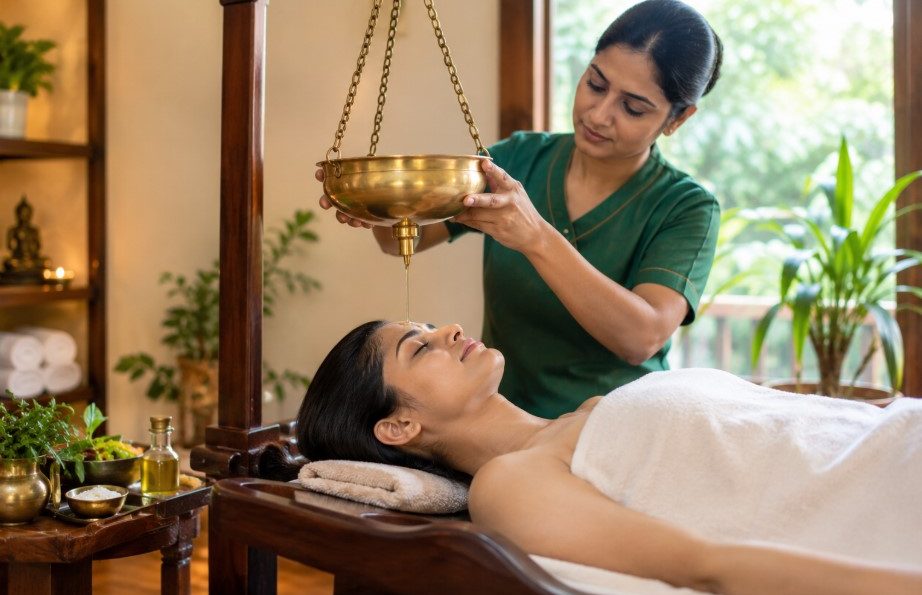
Panchakarma is the best-known Ayurvedic detox system. It includes strong cleansing steps like induced vomiting, purgation and medicated enemas. Because of this, panchakarma cancer recovery needs extra care.
Here is a safe way to think about it:
- During active treatment, strong cleansing is generally avoided.
- Soon after chemotherapy or surgery, the body is weak. Heavy cleansing can cause dehydration and fatigue.
- Later in recovery, only mild, modified steps may be considered, and only after written clearance from your oncologist.
- Anyone with low blood counts, weight loss, severe weakness or recent surgery should skip intense detox.
In practice, safe programs lean on nourishing therapies first. Strong detox, if used at all, comes late and in a softened form. If a centre promises to “flush out cancer toxins” or guarantees results, walk away.
To understand how a standard program is structured, read about Panchakarma detox in India. If you live near the capital, this guide to Panchakarma centres near Delhi/NCR helps you compare options. Remember that survivors need a modified version, not the standard one.
Review your reports and plan a safe recovery stay before you book any travel.
Herbs: handle with caution
“Natural” does not mean “safe with chemotherapy.” Turmeric, ashwagandha, guduchi and many other herbs are popular. Yet herbs can interact with cancer drugs, hormone therapy and blood thinners. Some are risky for people with liver problems.
Follow these rules:
- Never start a herb or powder on your own.
- Ask your doctor to review the exact product and dose.
- Use only products from licensed makers with clear labels.
- Stop and call your doctor if you notice yellow eyes, dark urine, rashes or unusual bleeding.
MorningSun’s overview of herbal medicine protocols shows how structured, doctor-led herbal plans are explained to patients.
Planning a recovery program in India
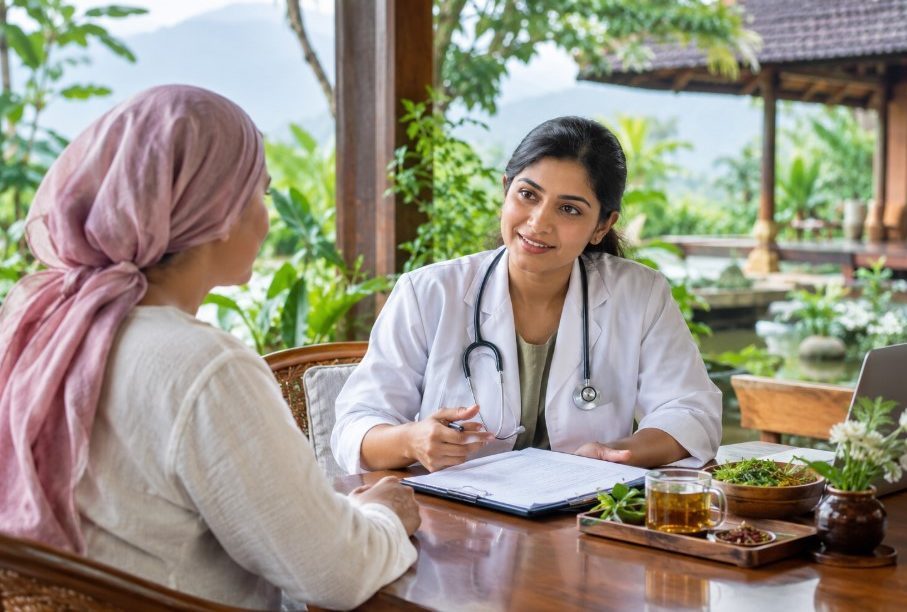
A good program is a plan, not a package. Here is how to approach it step by step.
Start with records
Keep a folder with your discharge summary, pathology report, scans and medicine list. Translate or summarise them in English. Centres in India work smoothly with these.
Choose the setting
Some people prefer a quiet resort stay. Others prefer a clinic with daily medical review. Kerala is a well-known base for Ayurveda care, and MorningSun lists Kerala Ayurveda resorts so you can compare settings. Pick a place that has a doctor on site and a hospital nearby.
Plan duration and pace
Shorter stays with rest days often suit survivors better than packed schedules. Ask how the plan changes if you feel unwell.
Handle travel and visa
International visitors need the right visa category for medical stays. Read about travel and visa assistance before you book flights.
Budget calmly
Recovery stays, follow-up tests and travel add up. NRI families also need to think about currency, remittances and tax on Indian expenses. Families abroad should also plan for the unexpected. DeshSansaar’s guide on emergency planning helps you prepare documents, contacts and funds before you travel.
Start from home with an online assessment, then decide if a stay in India makes sense.
How to choose a safe centre
Use this checklist when you speak to any centre:
- Do they ask for your full oncology records before accepting you?
- Is a qualified Ayurvedic physician (BAMS or higher) present daily?
- Will they coordinate with your oncologist?
- Do they refuse to promise a cure?
- Is there a tie-up with a nearby hospital for emergencies?
- Are prices and inclusions written down in advance?
If the answer to any of these is no, keep looking. You can also use the patient support services at MorningSun to shortlist verified options.
Please also read the medical disclaimer. This article is for education and does not replace advice from your doctor.
Talk to the team about your goals, timeline and budget, and receive guidance on suitable programs.
Warning signs that need a doctor, not a therapy
Some symptoms should never be handled with home care or massage. Call your oncologist or go to a hospital if you notice any of these:
- Fever, chills or a new infection.
- New lumps, unexplained pain or swelling in one leg.
- Sudden weight loss or repeated vomiting.
- Black stools, blood in urine or unusual bruising.
- Shortness of breath or chest pain.
A responsible Ayurvedic centre will tell you the same thing. It should have a clear plan to send you to a hospital when needed, and it should record your vitals during your stay. It also helps to know how hospital care really works in India, and DeshSansaar’s piece on the healthcare reality in India gives a grounded picture.
Daily habits that support recovery
Small habits do much of the quiet work. Sleep at the same hour each night. Drink warm water through the day unless your doctor limits fluids. Spend time outdoors in the morning light. Walk gently, and add yoga or stretching only after your doctor agrees. Keep a short diary of appetite, sleep and energy. This record helps both your oncologist and your Ayurvedic physician see what is improving and what is not.
A simple weekly rhythm to follow
Once your doctors approve, a basic routine can look like this: wake at a steady time, drink warm water, take a short walk, eat a warm breakfast, and rest after lunch. Keep dinner light and early. Add a few minutes of slow breathing before bed. Review the plan every two to four weeks with your care team and adjust it.
Conclusion
Recovery after cancer is slow, and that is normal. Ayurveda can add comfort, better digestion and calmer sleep, but only as a partner to your oncology team. Ask questions, avoid miracle claims, and build the plan one safe step at a time. When you are ready to explore options, enquire about recovery programs at MorningSun and take the first step with expert guidance. For more reading on wellbeing, browse DeshSansaar’s health and healing stories.
FAQs:
No. There is no reliable evidence for that. Use it only as supportive care alongside oncology treatment.
Only after your oncologist approves. Timing depends on your recovery, blood counts and the treatment you received.
Strong detox steps are usually avoided. Mild, modified therapies may be possible with written oncologist clearance.
Yes. Some herbs affect the liver or blood counts. Always get doctor review before taking any herb.
Yes. Many programs begin with a remote review of reports, then decide whether travel to India is necessary.
It varies. Shorter, gentle stays with rest days often suit survivors better than long, packed programs.
Comments