
Delhi and its satellite cities have changed considerably over the last decade. However, something else has changed alongside the skyline — the number of people quietly walking into Ayurvedic clinics and asking for a proper panchakarma program. Not oils and massages at a day spa. The real, supervised, clinical thing.
Whether you are an IT professional in Noida, a homemaker in Ghaziabad, an NRI visiting family in Delhi, or a foreign national who has researched this thoroughly online — this guide is written for you. It maps out the best
panchakarma centers near Delhi and explains what to verify before you book a session.
Panchakarma is not a weekend package. Rather, it is a clinically structured detoxification protocol that typically runs for 7 to 21 days. Done right, it addresses chronic conditions the body has carried for years — joint stiffness, digestive sluggishness, hormonal imbalance, skin conditions, and stress-induced fatigue. Done poorly, at an unverified center, it wastes time and money at best, and causes harm at worst.
The NCR region — covering Delhi, Gurgaon, Faridabad, Noida, Greater Noida, and Ghaziabad — now offers enough credible options that traveling to Kerala is no longer a prerequisite for authentic Ayurvedic treatment. Here is what that landscape looks like.
What Panchakarma Actually Involves
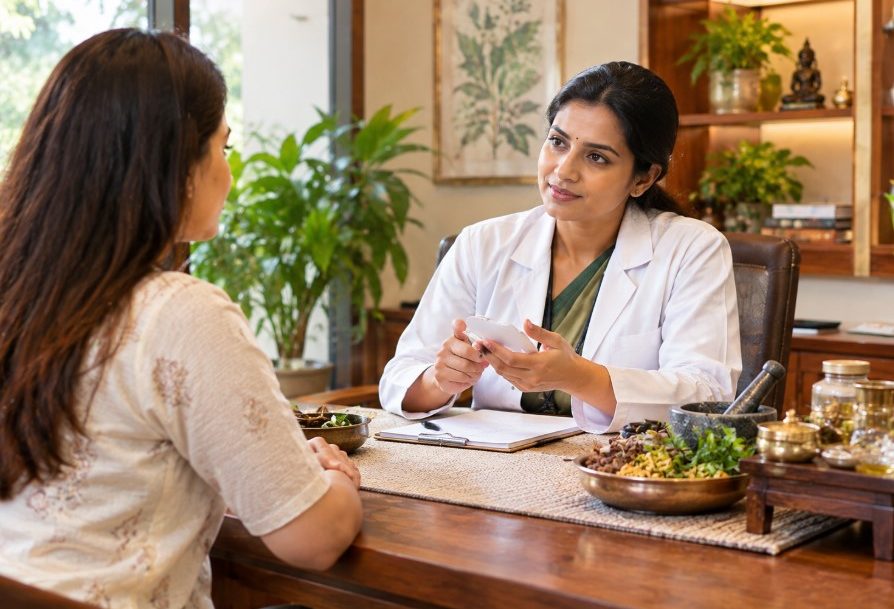
Most patients arrive at their first consultation having read the word but not fully understood the meaning. Panchakarma translates to the Sanskrit term for five actions. These five therapeutic procedures are: Vamana (medicated emesis), Virechana (purgation), Basti (medicated enema), Nasya (nasal administration of oils or powders), and Raktamokshana (bloodletting or blood purification).
A qualified Ayurvedic physician will not administer all five procedures to every patient. Instead, the selection depends entirely on your Prakriti (body constitution), the present state of your doshas, your medical history, and the health concern being addressed. This individualized approach is precisely why booking a generic panchakarma package at an unverified center carries real risk.
Before the main procedures begin, the body must be prepared through a phase called Poorva Karma. This preparatory phase includes internal oleation (Snehapana) and external oleation combined with therapeutic sweating (Abhyanga followed by Swedana). After the procedures conclude, the body needs careful supervision during Paschat Karma — the post-treatment dietary and lifestyle protocols that determine how long the benefits last.
Why the NCR Market Has Expanded
Delhi-NCR has seen a meaningful rise in qualified Ayurvedic clinics over the past several years, driven partly by the rising burden of lifestyle diseases and partly by returning NRIs who have encountered Ayurveda abroad and want to continue it at home. Historically, many patients traveled to Kerala every two years for their annual detox. Today, those same patients are asking whether a center closer to home can deliver comparable outcomes.
Encouragingly, the answer is yes — provided you choose the right facility. Government institutions in Delhi have been providing panchakarma for decades. Furthermore, a growing number of private clinics now match them on clinical quality, while offering better accessibility and patient support infrastructure.
Government Ayurvedic Institutions Offering Panchakarma Near Delhi
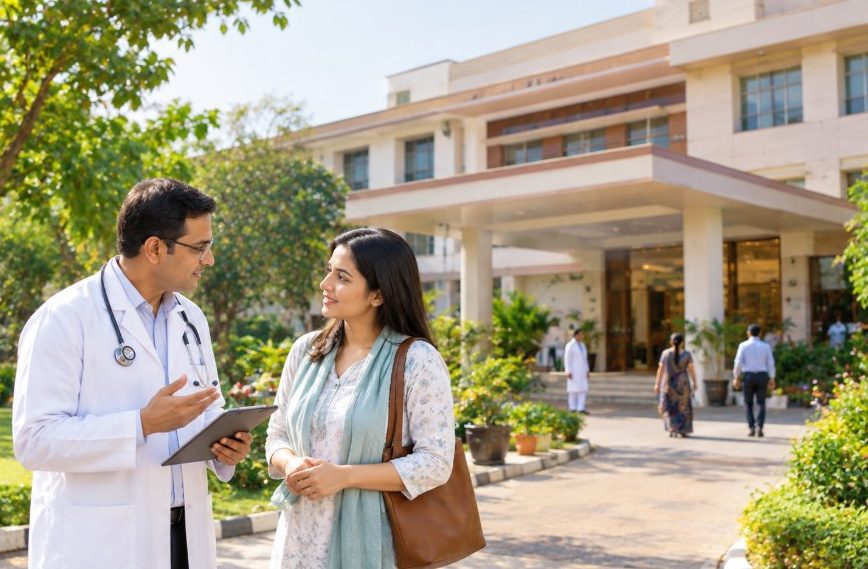
1. All India Institute of Ayurveda (AIIA), Sarita Vihar, New Delhi
The AIIA is the most significant government Ayurvedic institution in North India. Located at Sarita Vihar on Mathura Road, it functions as an autonomous body under India’s Ministry of AYUSH and operates a 200-bed referral hospital.
The panchakarma facility at AIIA spans multiple floors of the hospital block and handles both outpatient procedures — for patients attending daily therapy sessions — and inpatient programs for those requiring a supervised multi-week stay. Moreover, suite rooms with in-room treatment setups are available for patients who need personalised, private care arrangements.
For patients dealing with chronic conditions — longstanding arthritis, neurological disorders, or complex metabolic issues — AIIA remains one of the most credible options in the NCR. Treatment costs are substantially lower than private centers, and the treating physicians hold postgraduate and doctoral-level Ayurvedic qualifications.
2. Ch. Brahm Prakash Ayurveda Charak Sansthan (CBPACS), Najafgarh, Delhi
CBPACS is the other major government Ayurvedic hospital in Delhi, spread across a 95-acre green campus at Khera Dabar in Najafgarh. The 270-bed hospital’s Panchakarma Department has reportedly conducted over one million therapy sessions, making it one of the highest-volume Ayurvedic facilities in the country.
Particularly noteworthy is the breadth of OPD specialties — 21 functional departments covering joint disorders, neurological conditions, respiratory diseases, gastrointestinal dysfunction, and more — all supported by the Panchakarma team. Additionally, the hospital maintains near-full inpatient occupancy throughout the year, which itself is a credibility signal.
For patients based in South or West Delhi, or those who can arrange transport to Najafgarh, CBPACS combines institutional credibility with substantially lower treatment costs compared to private clinics in the same tier.
3. A & U Tibbia College and Hospital, Karol Bagh, Delhi
One of Delhi’s older Ayurvedic teaching hospitals, Tibbia College on Ajmal Khan Road in Karol Bagh offers both outpatient and inpatient panchakarma services. Its central location makes it more accessible for patients based in West or Central Delhi, where travel to Sarita Vihar or Najafgarh would otherwise be challenging.
The Delhi government’s AYUSH Department lists all three institutions as publicly available panchakarma facilities. To verify listings or explore treatment options across India, the
Ayurveda & Wellness listings on MorningSun.in cover verified centers from multiple states, curated specifically for domestic and international patients.
Reputed Private Panchakarma Clinics and Wellness Centers in Delhi/NCR
Ghaziabad: A Fast-Growing Hub for Panchakarma Treatment
If you are based in Ghaziabad or East Delhi, traveling far is no longer necessary. The city has seen genuine growth in qualified Ayurvedic clinics — particularly in Indirapuram, Vaishali, and Raj Nagar Extension. Critically, these are physician-led centers rather than spa franchises. The consulting doctor holds a BAMS or MD (Ayu) degree and designs each treatment protocol personally, rather than assigning a standardised package.
When evaluating panchakarma treatment in Ghaziabad, verify that the center meets these criteria:
• A qualified BAMS or MD Ayurveda physician is present on-site every treatment day — not merely on call
• Individual Prakriti assessment is conducted before any booking is confirmed
• Separate treatment protocols are designed for each patient, not template-based packages
• Proper Poorva Karma preparation and a written Paschat Karma follow-up plan are part of the program
• Herbal formulations and medicated oils come from licensed, GMP-certified Ayurvedic pharmacies
Noida and Greater Noida Centers
Noida’s wellness clinic landscape has expanded considerably over recent years. Several clinics in Sector 62, Sector 18, and the Knowledge Park corridor now offer structured clinical panchakarma programs for managing conditions such as PCOS, thyroid dysfunction, irritable bowel syndrome, and autoimmune skin diseases. Notably, the catchment here includes a large IT professional population from nearby tech parks — a demographic increasingly interested in preventative and restorative healthcare.
For NRIs visiting the NCR specifically for treatment, Noida offers an additional logistical advantage. Its expressway connectivity makes both inpatient stays and multi-day outpatient programs easier to manage, especially when coordinating with airport transfers or hotel accommodations.
South Delhi Clinics for Panchakarma
Neighborhoods such as Defence Colony, Greater Kailash, and Hauz Khas are home to several private Ayurvedic clinics that serve the upper-middle-class and expatriate segment effectively. Generally, these clinics are smaller, more personalised, and staffed by English-speaking practitioners who can communicate clearly with foreign nationals and returning NRIs.
Many South Delhi practitioners have completed postgraduate training at institutions like AIIA or have international clinical exposure, which gives them a balance of classical Ayurvedic grounding and effective patient communication skills.
Looking for a verified Ayurveda clinic or wellness retreat in India?
How to Choose the Right Panchakarma Center Near Delhi
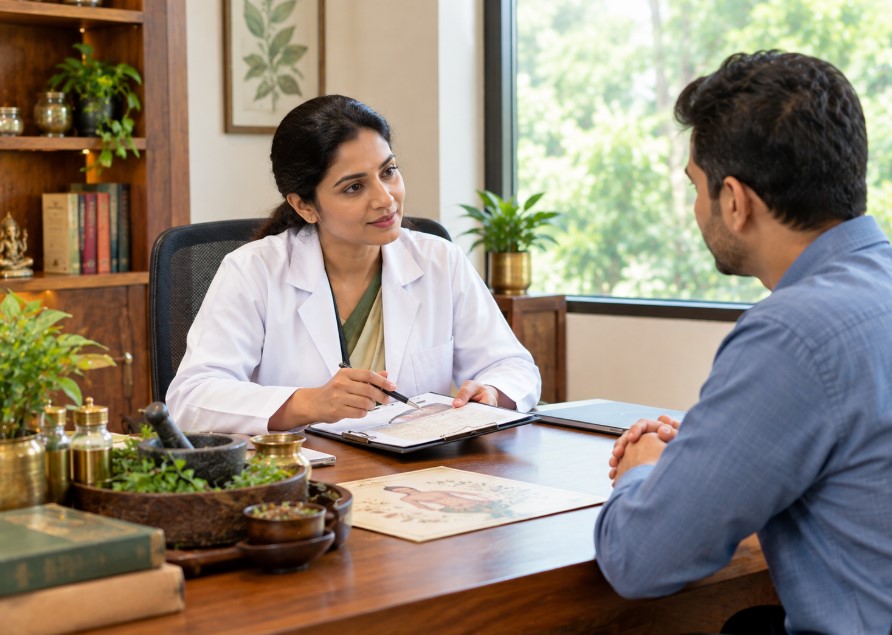
Step 1 — Clarify Your Health Objective First
Different centers specialize in different outcomes. A facility with strong neurological Ayurveda experience will manage a patient with chronic tremors very differently from one focused on metabolic or skin conditions. Therefore, ask the clinic which conditions they most commonly treat, and confirm that a resident physician is specifically experienced in your case type.
Step 2 — Verify Physician Credentials
Every authentic panchakarma program must be supervised by a registered Ayurvedic physician. A BAMS degree is the minimum acceptable qualification; for complex or chronic conditions, look for an MD (Ayu) specialist. Under no circumstances should a non-physician receptionist or wellness coordinator be the one designing your treatment plan.
Step 3 — Ask About Poorva Karma Preparation
Any center offering a panchakarma program without first preparing the body through internal oleation and therapeutic sweating is not following classical protocol. Walk away from such offers. The preparatory phase is non-negotiable for both effective and safe outcomes, and it typically takes three to seven days depending on the overall program length.
Step 4 — Confirm Post-Treatment Support
What happens after the final procedure matters as much as the treatment itself. A responsible center provides a written dietary plan, an herbal continuation protocol, and lifestyle guidelines covering at least 30 days post-treatment. Ask whether follow-up consultations are included or available, particularly if you are traveling from abroad and will not be staying locally.
Step 5 — Check Oil and Herbal Sourcing
The quality of medicated oils and herbal preparations directly determines clinical outcomes. Reputed centers source formulations from licensed Ayurvedic pharmacies that operate under GMP standards. Ask specifically where their Basti compositions, Abhyanga oils, and internal herbal medicines are procured and whether the supplier holds appropriate regulatory certification.
Alongside your treatment program, pairing daily Ayurvedic skin and haircare with authentic formulations can support and extend your detox outcomes at home. Advik Ayurveda offers traditional, toxin-free skincare and hair products — including their paraben-free Aloe Vera Gel and Kesar Ubtan Scrub — that complement post-panchakarma skin restoration well. Explore Advik Ayurveda’s Ayurvedic skincare range here.
What to Realistically Expect from a Panchakarma Program Near Delhi

A Typical Day-by-Day Structure
Days 1 to 3 (Poorva Karma): Initial consultation and Prakriti assessment, followed by the start of internal Snehapana with medicated ghee or herbal oil. Diet simultaneously shifts to light, easy-to-digest foods to facilitate internal preparation.
Days 4 to 7 (Oleation and Sweating): Daily Abhyanga (full-body medicated oil massage) combined with Swedana (herbal steam therapy). During this phase, many patients notice the body softening, bowel pattern changes, or mild fatigue — all expected and clinically monitored responses.
Days 7 to 14 (Main Karma): The core procedures, selected specifically for your constitution and condition. Virechana and Basti are the most frequently administered procedures in NCR-based programs; Vamana is used selectively based on assessment.
Days 15 to 21 (Paschat Karma): Gradual dietary reintroduction, follow-up oleation if indicated, structured rest, and physician review sessions to monitor recovery and adjust the continuation protocol.
What Most Patients Notice
Improved digestive regularity typically appears within the first week. Better sleep quality tends to follow by the midpoint of the program. Joint stiffness reduction often becomes noticeable over two to four weeks post-treatment. Clearer skin generally shows within three to six weeks after the program concludes. Finally, the most consistently reported outcome across patient groups is a marked shift in mental clarity and sustained energy levels.
Precautions and Contraindications
Panchakarma is not appropriate for everyone at every time. Active fever, pregnancy, severe cardiac conditions, and acute infections are among the absolute contraindications. Menstruation is a relative contraindication, depending on which specific procedures are involved. A qualified physician will screen thoroughly for all of these during the initial consultation before recommending or beginning any program.
Planning a Panchakarma Trip to Delhi-NCR: A Guide for NRIs and Foreign Nationals

Delhi has well-established international connectivity through Indira Gandhi International Airport, comprehensive metro coverage across the NCR, and a wide range of accommodation options near most major Ayurvedic centers. For those traveling specifically for treatment, structured planning makes the difference between a smooth experience and a stressful one.
Allow at least 21 days in total: 14 days for the actual program, plus buffer time before and after for travel adjustment, initial consultations, and post-treatment stabilisation.
Crucially, book an initial teleconsultation before you travel. Several qualified Ayurvedic physicians in Delhi and Ghaziabad now offer pre-arrival video consultations to assess your case remotely, help you adjust any existing medications, and provide preparation instructions so that you arrive ready to begin therapy without delay.
Seasonally, the best windows for panchakarma in Delhi are post-monsoon (September through November) and winter (December through February). Summer heat in North India can interfere with certain sweat-inducing procedures and affect the overall treatment experience.
If you are combining Ayurvedic treatment with a broader India wellness itinerary, there are excellent complementary options available across the country. MorningSun.in lists verified wellness retreat listings from Kerala Ayurveda resorts to Rishikesh-based programs — all suitable for international visitors and NRIs seeking premium care.
NRIs and international patients planning a wellness trip to India can explore curated retreat options and connect with verified clinics at MorningSun.in — Panchakarma Detox Programs. Pre-travel teleconsultation support is also available for international patients.
Panchakarma Treatment Cost Near Delhi: What to Budget
Government institutions: Procedures typically cost Rs. 500 to Rs. 3,000 per day, with herbal medicines charged separately. Consequently, a 14-day program at a government hospital can range from Rs. 8,000 to Rs. 40,000 depending on the procedures involved.
Mid-range private clinics: Expect Rs. 3,000 to Rs. 8,000 per day for a complete program inclusive of procedures, medicated oils, and herbs. Accordingly, a 14-day program at this level runs approximately Rs. 50,000 to Rs. 1,20,000.
Premium and boutique wellness centers: These facilities charge Rs. 10,000 to Rs. 25,000 per day and generally offer superior accommodation, more frequent physician interaction, and a more immersive treatment experience.
For NRIs and international patients, even the premium tier is significantly more affordable than comparable programs in Western countries or leading European wellness centers. This cost differential is among the primary drivers of India’s growing medical and wellness tourism sector.
Understanding what you actually pay for across India’s healthcare landscape — treatment by treatment — is covered in detail by MorningSun.in. Their guide Full Body Checkup Package Cost in India: What You Actually Pay is a useful reference.
Red Flags to Watch for When Choosing a Panchakarma Center
The word panchakarma has been diluted significantly in recent years. Spas, beauty studios, and unqualified wellness outlets now use it freely in their marketing. Below are clear warning signals that a center may not be clinically credible:
• The center offers panchakarma as a fixed-price package without any initial medical consultation
• No BAMS or MD physician is physically on-site — only available by phone or on call
• Poorva Karma preparation is not mentioned or included in the program description
• Staff cannot identify where their medicated oils are sourced or manufactured
• No one at the center can explain which of the five procedures apply to your condition or why
• No written post-treatment dietary or lifestyle protocol is provided at discharge
Selecting the wrong center is expensive in more ways than one — lost time, financial cost, and potential harm. Rely on verified listings or references from practitioners you already trust.
If you are evaluating Ayurveda alongside conventional medical care — for example, comparing allopathic and Ayurvedic approaches to a specific condition.
Supporting Your Panchakarma Results at Home
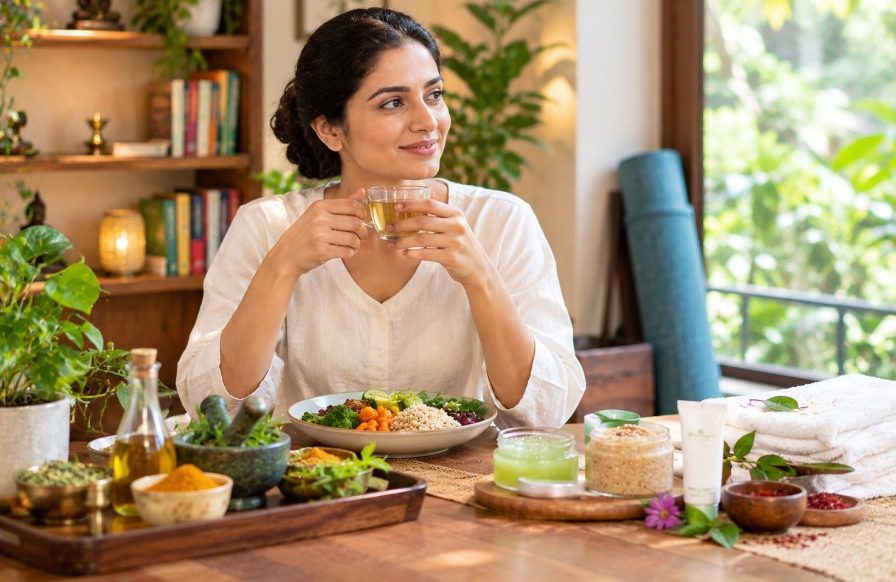
A panchakarma program is an investment of time, money, and effort. Ultimately, what you do in the weeks and months that follow determines whether those results hold or fade. This is precisely where daily Ayurvedic practice becomes meaningful.
A consistent Dinacharya (daily routine) built around early rising, oil pulling, warm water intake, and a constitution-appropriate diet can significantly extend the benefits of panchakarma. Herbal formulations for digestive support, immunity, or skin health also contribute during this consolidation phase.
For everyday Ayurvedic skincare that aligns with post-panchakarma skin sensitivity, Advik Ayurveda’s formulations are worth considering. Their Aloe Vera Gel with Vitamin E is paraben and toxin-free, making it appropriate for the skin sensitivity that frequently follows deep detoxification. Additionally, their Kesar Ubtan Scrub is formulated for gentle exfoliation without harsh chemicals. Visit Advik Ayurveda to explore their full range.
If you are curious about the broader cultural and heritage dimensions of Ayurveda — including Sanskrit traditions, seasonal living practices, and how classical Ayurvedic values connect with everyday Indian culture — DeshSansaar.com is a thoughtful resource covering Indian culture, traditions, and lifestyle from that lens. Explore Indian heritage and wellness culture at DeshSansaar.com.
Wrapping Up
The NCR region is not short of panchakarma options anymore. What it has historically lacked is reliable, unbiased information about which centers are genuinely qualified and which are trading on a popular term. Between the government institutions — AIIA and CBPACS, both open to all patients including international visitors — and a growing number of physician-led private clinics across Ghaziabad, Noida, and South Delhi, real choices now exist at multiple price points.
The decision to undergo panchakarma deserves careful consideration. It demands time, lifestyle adjustment, and a degree of trust in the treating physician. Nevertheless, for those dealing with chronic fatigue, metabolic imbalance, joint issues, hormonal disruption, or years of accumulated urban stress — it may well be the most effective reset that traditional medicine offers.
Plan deliberately. Verify your center. Give the process the time it actually requires. The results, for those who follow through properly, tend to be clear.
Book a Local Panchakarma Session — Find verified Ayurveda clinics and wellness centers near Delhi NCR on MorningSun.in. Browse listings, compare options, and send a direct enquiry to begin your treatment journey today.
FAQs:
Minimum 7 days for mild conditions; 14 to 21 days for chronic or complex health issues.
Yes. Both AIIA at Sarita Vihar and CBPACS at Najafgarh are open to all patients, including international visitors.
Yes, and winter (October to February) is actually among the best seasons for panchakarma in North India.
Confirm a registered BAMS or MD physician is on-site, and that individual Prakriti assessment and written Poorva Karma protocols are standard practice.
Private clinics in Ghaziabad typically charge Rs. 3,000 to Rs. 8,000 per day, depending on procedures included.
Yes, as a complementary protocol alongside conventional care. Always coordinate the program with your allopathic physician first.
Digestive and sleep improvements often appear within 7 to 10 days; skin clarity and energy shifts take 3 to 6 weeks post-program.
External Resources
The following authoritative sources were referenced for this article and are recommended for further reading:
Ministry of AYUSH, Government of India — The official body overseeing Ayurveda, Yoga, Unani, Siddha, and Homeopathy in India.
All India Institute of Ayurveda (AIIA), New Delhi — India’s premier Ayurvedic institute under the Ministry of AYUSH, with the largest panchakarma facility in North India.
AYUSH Delhi Government — Panchakarma FAQ — Lists all publicly funded Panchakarma facilities available in Delhi.
Ch. Brahm Prakash Ayurveda Charak Sansthan (CBPACS), Najafgarh — Government Ayurvedic hospital with over one million Panchakarma therapies conducted.
National Accreditation Board for Hospitals & Healthcare Providers (NABH) — Use the NABH accreditation portal to verify Ayurvedic hospitals before booking any treatment.
Comments
[…] vs a Western wellness retreat is a useful read if you are weighing this decision, as is a look at panchakarma centers near Delhi NCR for patients based in the north. Patients who want to combine formal treatment with this kind of […]
[…] is structured, read about Panchakarma detox in India. If you live near the capital, this guide to Panchakarma centres near Delhi/NCR helps you compare options. Remember that survivors need a modified version, not the standard […]