
Dermatology tourism in India has grown rapidly over the last decade. People from different countries travel to Indian cities like Delhi, Mumbai, Bangalore, Kochi, and Hyderabad to get skin and cosmetic treatments at prices far lower than Western nations. Add to that India’s skilled dermatologists, modern clinics, and shorter waiting times, and it becomes clear why the country attracts thousands of international clients every year.
But with this rising demand also comes a bigger responsibility—understanding the Safety & Legal Aspects of Dermatology Tourism in India. When someone travels to another country for skin treatment, they are not just choosing a doctor; they are stepping into a different medical system, legal structure, and cultural environment. Knowing how things work helps travellers avoid risks, make informed decisions, and protect their health.
This blog explains everything in simple language so that anyone planning to visit India for dermatology treatments can feel prepared, confident, and aware.

Why Dermatology Tourism in India Is Growing
People don’t choose a foreign country for medical care without good reasons. India has become a strong hub for dermatology tourism because of several factors:
1. Affordable treatment options
Laser procedures, skin rejuvenation, acne scar treatments, pigmentation therapy, chemical peels, hair restoration, and cosmetic dermatology services often cost only a fraction of what they do in the US, UK, Australia, or Europe. Even when patients factor in travel and accommodation, they still end up saving money.
2. Skilled dermatologists with global experience
Many Indian dermatologists train abroad, participate in international conferences, or follow global treatment protocols. This helps patients trust the expertise available in India.
3. Advanced technology and modern clinics
Dermatology clinics in major cities use updated lasers, FDA-approved machines, and evidence-based procedures. India’s private healthcare sector invests heavily in technology to attract international clients.
4. Shorter waiting time
Unlike some countries where cosmetic or dermatology appointments take weeks or months, India offers quick scheduling—often within a few days.
These advantages sound great, but anyone traveling for treatment must understand the Safety & Legal Aspects of Dermatology Tourism in India before finalizing plans.
Understanding Patient Rights in India
Many travellers assume that medical systems work the same everywhere. But every country has its own laws. In India, patients have rights protected by law, and knowing these rights helps visitors speak up whenever needed.

Right to informed consent
Doctors must explain the treatment, benefits, possible side effects, alternatives, and expected results in a way the patient understands. No procedure should start without proper consent.
Right to privacy and confidentiality
Medical history, photos, consultations, and treatment information cannot be shared without the patient’s permission.
Right to safe treatment
Clinics must follow hygiene standards, use safe machines, sterilize equipment, and follow biomedical waste rules.
Right to transparency in pricing
Patients have the right to receive a clear cost estimate before treatment. No clinic should add hidden charges later.
Knowing these rights is an important part of understanding the Safety & Legal Aspects of Dermatology Tourism in India, especially for international visitors.
Clinic Accreditation: Why It Matters
Not all dermatology clinics follow the same standards. Some are excellent, but some may not have proper licenses or training. India has systems to check quality:
NABH Accreditation
NABH (National Accreditation Board for Hospitals & Healthcare Providers) is one of India’s major quality bodies. Clinics with NABH accreditation are usually safer, more organized, and follow strict guidelines.
State Medical Council Registration
Dermatologists must be registered with a medical council to legally practice.
Laser and equipment approvals
Machines used for treatments should ideally have approvals like US-FDA, CE, or equivalent.
When people look for clinics, checking for these signs ensures they are choosing a safe and legally compliant facility. This is a major part of evaluating the Safety & Legal Aspects of Dermatology Tourism in India.

Risks of Choosing Unlicensed Clinics
With the rising popularity of affordable treatments, some unqualified or unregistered centers also appear. They may offer extremely low prices, but the dangers can be serious.
Potential complications include:
- Burns from lasers
- Infections due to poor hygiene
- Scarring caused by improper technique
- Allergic reactions to products
- Incorrect diagnosis
- Permanent skin damage
Many of these problems happen when staff are not certified dermatologists or when the clinic uses low-quality equipment. This is why understanding the Safety & Legal Aspects of Dermatology Tourism in India helps travellers avoid unsafe setups.
How to Verify if a Dermatologist Is Qualified
International visitors may not know how to check a doctor’s background. Here are simple steps:
1. Check their medical council registration
Every qualified dermatologist must be registered with the state medical council or national board.
2. Look for MD Dermatology or DNB Dermatology
These are official postgraduate degrees in skin medicine in India.
3. Check clinic reviews and real patient stories
These give insight into results, service quality, and professionalism.
4. See if the doctor attends workshops or conferences
Dermatologists who stay updated usually follow safe and current protocols.
Doing this research before traveling helps maintain the Safety & Legal Aspects of Dermatology Tourism in India, especially when choosing a clinic from abroad.
Legal Requirements for Foreign Patients
Travelling for medical treatment in India may require certain documents. Following these rules ensures a smooth and legal experience.
1. Medical Visa (if required)
Some treatments can be done on a tourist visa, but others need a medical visa. Always check updated visa rules before travelling.
2. Identification documents
Passport copies, travel records, and medical reports should be kept ready for the clinic.
3. Treatment records
Clinics must document treatments, medications, and follow-up recommendations.
Understanding these rules ensures that patients stay protected under Indian law, which is an essential part of the Safety & Legal Aspects of Dermatology Tourism in India.
What Foreign Patients Should Ask Before Booking
Planning a treatment abroad requires asking the right questions. These questions help filter out unreliable clinics and keep the patient safe.
- What qualifications does the dermatologist have?
- What machine or device will be used for the treatment?
- Are the machines approved by recognized authorities?
- Is there a patch test before laser procedures?
- What precautions should be taken after the treatment?
- Will the clinic provide a written treatment plan?
- How many sessions are needed?
- What are the risks and recovery time?
- Who will handle complications if they occur?
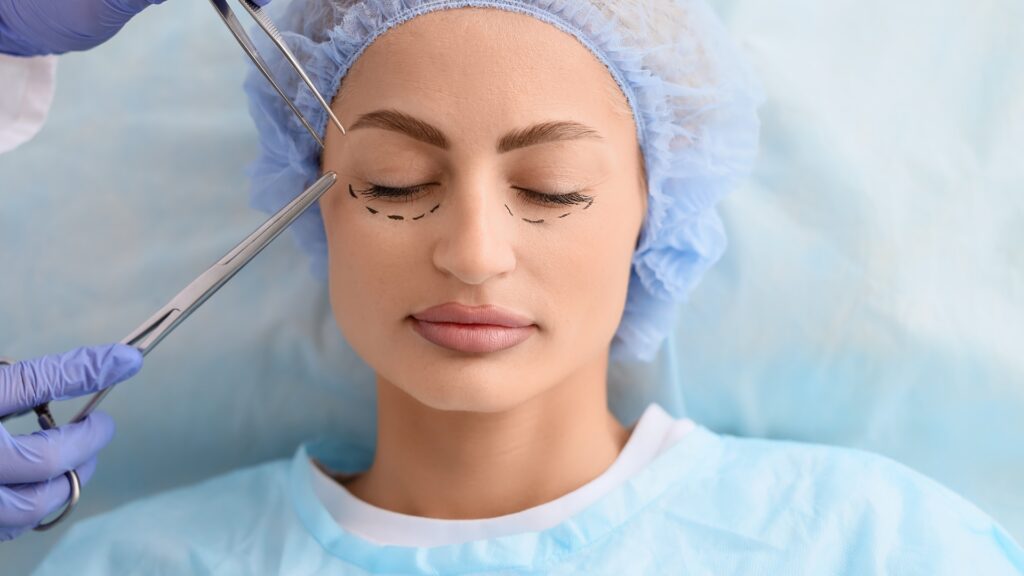
These questions might feel basic, but they play a huge role in protecting the Safety & Legal Aspects of Dermatology Tourism in India.
Importance of Hygiene and Sterilization
Dermatology involves close contact with the skin. Whether it’s microneedling, chemical peeling, laser therapy, or injectable procedures, hygiene matters. A professional clinic always:
- Uses disposable tools where required
- Sterilizes reusable instruments
- Wears gloves and masks
- Maintains clean treatment rooms
- Stores medicines safely
Travellers should observe the clinic environment carefully. If hygiene looks questionable, it’s better to walk away. Protecting health is a big part of respecting the Safety & Legal Aspects of Dermatology Tourism in India.
Insurance and Liability for International Patients
Many people don’t realize that insurance rules differ from country to country. In India:
1. Medical complications
If a complication is due to negligence, patients have the right to file complaints through consumer forums or legal channels.
2. Travel insurance
Some travel insurance plans cover treatment-related emergencies. Patients should check with their providers before travelling.
3. Consent forms
Before treatment, clinics ask patients to sign consent forms. These documents describe risks and protect both patient and doctor.
Patients who understand insurance and liability feel more confident with the Safety & Legal Aspects of Dermatology Tourism in India.
Post-Treatment Care and Follow-Up
Skin treatments require aftercare. Travellers should be aware of follow-up schedules before planning their return flights. For example:
- Laser procedures may cause redness for a few days
- Chemical peels need sun protection
- Hair restoration requires follow-up instructions
- Injectable treatments may need touch-ups later
Asking about post-care ensures that the treatment results are safe and long-lasting.
Red Flags That Should Not Be Ignored
Travellers should immediately reconsider a clinic if they see:
1. No doctor available for consultation
If assistants or sales staff handle medical discussions, it is a warning sign.
2. Extremely cheap offers
Very low prices may mean compromised equipment or untrained staff.
3. Pressure to make quick decisions
Medical treatments should not be rushed.
4. No written estimate or consent
Proper documentation is a part of safe practice.
Avoiding these red flags strengthens the awareness of the Safety & Legal Aspects of Dermatology Tourism in India.
Why Legal Awareness Matters for International Patients
Many travellers focus only on the aesthetic results and forget the legal side. But legal awareness protects them in several ways:
- It ensures clinics follow ethical practices
- It helps patients identify illegal or unsafe setups
- It gives clarity on what to do in case of complications
- It helps maintain trust between doctor and patient
Knowing the laws and safety guidelines makes the experience smoother and safer.
The Future of Dermatology Tourism in India
India continues to develop as a global skincare destination. As clinics upgrade their technology and international patients grow more aware of the Safety & Legal Aspects of Dermatology Tourism in India, the industry is moving in a positive direction. Transparency, better regulations, and patient education will make this field safer and more reliable for everyone.
Keynote Takeaway
Dermatology tourism can be an amazing experience—affordable, advanced, and effective. But safety and legality should always come first. When travellers choose licensed clinics, qualified dermatologists, proper documentation, transparent pricing, and hygienic environments, they get the best results without compromising their health.
A well-planned approach ensures that the entire journey is smooth, safe, ethical, and rewarding.
FAQs:
1. Is India safe for dermatology treatments?
Yes, India is generally safe for dermatology treatments, especially when you choose licensed clinics and qualified dermatologists. Many clinics use modern technology and follow strict hygiene standards. The key is to research well and pick a clinic with good reviews and proper accreditation.
2. How can I check if a dermatologist in India is genuine?
You can verify their medical council registration, look for degrees like MD Dermatology or DNB Dermatology, and review their clinic’s accreditation status. Checking real patient experiences and before-after results also helps you understand their credibility.
3. Are foreign patients required to have a medical visa for skin treatments in India?
Some cosmetic or minor skin procedures may be allowed on a tourist visa, but more specialized treatments may require a medical visa. Visa rules change from time to time, so it’s always best to check updated guidelines before travelling.
4. What are the biggest risks of choosing low-cost or unlicensed clinics?
Unlicensed centers may use low-quality machines or have staff without proper medical training. This increases the risk of burns, infections, allergic reactions, incorrect treatment, and long-term skin damage. Extremely cheap prices can sometimes be a warning sign.
5. What should I ask during the first consultation at a dermatology clinic?
Ask about the doctor’s qualifications, the machine or technique they use, possible side effects, number of sessions required, and total cost. Also, request a patch test if you’re doing laser treatments and check whether they provide written aftercare instructions.
6. What if I face complications after returning to my home country?
Before starting treatment, always ask the clinic about follow-up support. Many reputable clinics offer online consultations. It’s also helpful to keep all documents, reports, and treatment notes, as they’re useful for both local doctors and insurance claims.
7. Are dermatology clinics in India regulated?
Yes, clinics follow state medical council rules and other health regulations. Some clinics also have NABH accreditation, which means they meet additional quality and safety standards. Choosing clinics that follow these rules reduces the chance of unsafe experiences.
Comments
[…] of the main reasons why people travel to India for skin care is because of the cost savings. Dermatology treatments in countries like the United States or Europe can be very expensive, often out of reach for many […]