
Picking the right week matters more for an Ayurveda retreat than for an ordinary holiday. Panchakarma therapies work with your body’s response to heat, humidity, and season, so the calendar you choose can change how deep the detox actually goes. This guide breaks down the best time for ayurveda retreat India by season, region, and dosha type, so you can plan a trip that matches what you actually want out of it, not just cheap flights.
India is a large country with several distinct climate zones running at the same time. A month that is ideal in Kerala can be the wrong choice entirely in Rajasthan or the Himalayan foothills. Before booking anything, it helps to think in three layers, the season, the region, and your own dosha type, rather than picking a generic ‘best month’ that applies everywhere.
Why Timing Matters More for Ayurveda Than Regular Travel
A beach holiday works in almost any weather. A Panchakarma program does not. Oil-based therapies, steam treatments, and internal cleansing protocols are designed around how your body absorbs heat and moisture at different times of year. Traditional Ayurvedic texts link certain treatments to specific seasons because the body’s ability to absorb medicated oils changes with humidity and ambient temperature. Booking outside that window does not make the retreat useless, but it does change what you should expect from it.
There is also a practical, non-mystical reason timing matters, staff experience and centre readiness. The best practitioners at top Kerala centres often work at full capacity during the classical monsoon season, meaning you get more experienced hands during peak months. Off-season, centres still operate well, but programs may run leaner, with fewer specialised therapists on rotation.
➤ Start planning your wellness trip today. Plan Your Retreat Dates →
Monsoon (June to September): The Traditional Panchakarma Season
Why Ayurveda Recommends Monsoon for Detox
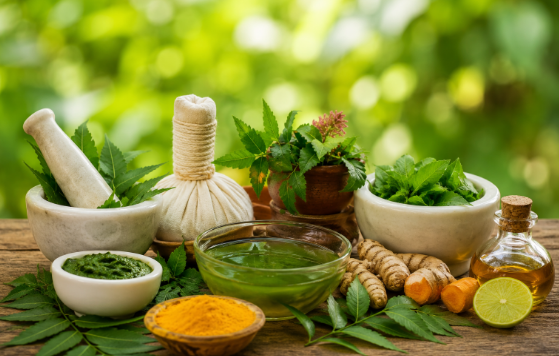
Kerala’s monsoon is considered the classical season for Panchakarma. The humid air keeps pores open, which practitioners believe helps the body absorb medicated oils more effectively during Abhyanga and other oil-based therapies. Cooler temperatures also make longer treatment days more tolerable, since intense heat can make extended oil therapy uncomfortable.
What to Expect Logistically
Rain is frequent, especially along the west coast, so outdoor sightseeing gets limited. Retreat centres are built for this season though, most Kerala facilities run their most elaborate programs between June and September. Expect fewer crowds, better rates, and a quieter, more introspective experience overall.
Pack for humidity rather than cold, light cotton clothing, a good umbrella, and waterproof footwear for the short walks between treatment rooms. Some travellers worry that monsoon means constant downpour, but most days include several dry hours suitable for gentle outdoor yoga or a short walk along the backwaters between sessions.
➤ See monsoon-season retreat options in Kerala. Plan Your Retreat Dates →
Winter (October to February): The Most Popular Retreat Season
Weather and Comfort
This is peak season across most of India for a reason. Temperatures stay mild, rain is rare, and long outdoor sessions, morning yoga, guided walks, or evening meditation, are far more comfortable. It is also the busiest and most expensive window, so book two to three months ahead if you want a specific centre or room type.
Best For
- First-time visitors who want predictable weather
- Retreats combining Ayurveda with yoga and outdoor activity
- Families or older travellers who find heat and humidity harder to manage
Summer (March to May): When to Avoid or Adapt
Most of the Indian plains get uncomfortably hot from March onward, and heavy oil therapies feel far less pleasant in high heat. If summer is your only available window, consider a hill-station retreat in Himachal Pradesh or Uttarakhand instead of the coastal south. Rishikesh, in particular, runs strong yoga and light-detox programs through summer at a more bearable altitude and temperature.
If a hill retreat is not an option and you are locked into summer travel, ask the centre to adjust your program toward cooling therapies, less intensive oil massage, more hydration-focused treatments, and lighter meals. A good centre will happily modify the schedule rather than push a heavy monsoon-style protocol onto a body already stressed by heat.
Seasonal Ayurveda Treatment: Matching Doshas to Seasons
Ayurveda pairs each season with a dominant dosha, and seasonal ayurveda treatment plans work with that pattern rather than against it. Knowing your own constitution, or at least your main imbalance, helps you choose a season that amplifies the benefit instead of fighting your body’s natural rhythm.
Vata Season (Late Autumn to Early Winter)
Dry, windy conditions aggravate Vata. Retreats during this window emphasise warm oil massage, grounding routines, and warm, moist food to counter the dryness in the air.
Pitta Season (Summer)
Heat aggravates Pitta, so summer programs, where offered, lean toward cooling therapies, sandalwood and coconut-based oils, and lighter, less spiced meals.
Kapha Season (Late Winter to Spring)
Cold, damp conditions build Kapha. Late winter into spring is considered ideal for stimulating, detoxifying therapies that clear congestion and sluggishness built up over the colder months.
Panchakarma Season Guide by Region
Kerala
The classical Panchakarma destination, strongest June through September, with a secondary comfortable window from November to February. Centres like Somatheeram Ayurvedic Health Resort and Vajra Ayurveda Retreat run structured programs across both windows.
Goa
Goa’s retreat scene leans more toward yoga and lighter wellness programs than deep Panchakarma, and runs comfortably from November through March. Bhakti Kutir and Purple Valley Yoga are both active through this window.
Tamil Nadu and Pondicherry
The east coast gets its own monsoon pattern between October and December, so the calmer window here runs January through May. Ocean Spray Resort Pondicherry is a good example of a centre that adjusts programming around this local pattern.
➤ Compare retreat centres by season and region. Plan Your Retreat Dates →
Wellness Travel Planning: Practical Timing Tips
- Book flights and retreat slots at least six to eight weeks ahead for the October to February window
- Add two to three buffer days at the start for jet lag before therapies begin
- Check whether your chosen centre pauses or shortens programs during peak monsoon flooding periods
- Confirm dietary protocols in advance, most Panchakarma programs restrict certain foods before and during treatment
If you are coordinating this trip alongside other India-based plans, our guide to deep detox and Panchakarma programs covers what a full program actually includes, therapy by therapy.
How Long Should Your Retreat Be
A short three to five day program works as an introduction, mainly relaxation with a few therapies layered in. Real Panchakarma detox, the kind that produces lasting change, generally needs 14 to 21 days, since the body needs time to move through preparatory, main, and post-treatment phases. If your schedule only allows a week, treat it as a taster rather than a full detox, and plan a longer trip for the real program later.
Duration also affects which season suits you best. A short trip is forgiving, almost any season works for a light reset. A full 21-day program is a bigger commitment, so it is worth matching it to the season that best supports the specific therapies you are undergoing, monsoon for deep oil-based Panchakarma, winter for a more general, comfortable long stay.
Planning Around Your Own Travel Calendar
For NRIs and Gulf-based travellers, the ideal Ayurveda season does not always line up with the easiest time to get leave from work or school holidays back home. December and early January overlap with winter break for many families, which is also peak retreat season in India, so prices run higher and availability tightens fast. If your schedule is flexible, late January through February often gives you the same comfortable winter weather with noticeably better rates and availability.
Long-haul flight timing matters too. Arriving a full day before your program starts, rather than heading straight from the airport to your first treatment, gives your body time to adjust and makes the early sessions more effective. This is a small planning detail that experienced retreat travellers rarely skip, and first-timers almost always do.
Common Timing Mistakes First-Time Retreat Travelers Make
- Booking peak winter dates last minute and missing out on preferred centres
- Scheduling a short trip and expecting full Panchakarma-level results
- Ignoring regional weather differences and assuming all of India follows the same calendar
- Skipping the pre-retreat diet guidelines, which reduces how much the therapies can actually achieve
- Not building in recovery days immediately after intensive detox before flying home
Extending the Benefits After You Return Home
A good retreat sets the reset in motion, but the results fade faster if your skincare and daily routine snap straight back to old habits the week you land. Many travellers keep the momentum going with a simple, natural routine, gentle cleansers, oil-based moisturisers, and dosha-matched ingredients rather than harsh chemical products. Advik Ayurveda’s natural skincare range is built around the same dosha-based principles used in most retreat programs, which makes it an easy way to continue the routine at home.
If you are also weighing whether Ayurveda is the right long-term approach for your health versus conventional medicine, DeshSansaar’s guide to Ayurveda breaks down what it actually treats well and where its limits are, written specifically for NRIs and foreigners new to the system.
➤ Ready to lock in your retreat window? Plan Your Retreat Dates →
Conclusion
There is no single best time for ayurveda retreat India that fits everyone. Monsoon suits classical Panchakarma, winter suits comfort and first-timers, and summer works if you shift to the hills instead of the coast. Match the season to your dosha, your treatment goals, and how much time you can actually commit, and the retreat will do far more than a well-timed vacation.
FAQs:
June to September, the monsoon, is traditionally considered ideal.
Yes, October to February offers comfortable weather for most therapies.
March to May is hot; opt for Himalayan or hill retreats instead.
At least 14 to 21 days for meaningful, lasting detox results.
Some regional delays occur, but major hospitals and retreats stay accessible.
Comments