
You have a surgery date in India. The surgeon is chosen and the flights are booked. Then comes a quiet question that many patients leave for later: where will you recover?
For some people, the answer is simple. They stay in the hospital until the doctor signs the discharge papers. For others, a calm resort with trained staff, healthy meals and gentle therapy sounds far better than a hospital corridor. Both choices can work. Both can also go wrong when they are picked for the wrong reasons.
This guide explains hospital stay vs wellness resort recovery in plain words. You will see what each place offers, who each one suits, and how to plan a safe handover from one to the other. It is written for international patients, NRIs and families who manage care from far away.
Not sure which setting fits your procedure?
This article is general information, not medical advice. Your surgeon decides when you are safe to leave the hospital. Please read our medical disclaimer.
Why the Recovery Setting Matters More Than Most People Think
Surgery is only one part of treatment. The weeks after it decide how well you heal. Wounds need care. Pain needs control. Movement must restart at the right pace. Sleep, food and mood all play a part.
A good recovery setting gives you three things: safety if something goes wrong, steady care that matches your needs, and a calm space to rest. A hospital is built mainly for the first. A wellness resort is built mainly for the third. The best plan often uses both.
Patients who travel for care face an extra problem. You cannot simply go home the next week. The CDC guidance on medical tourism stresses planning follow-up care before you travel and warns about the risks of flying soon after surgery. That makes your recovery place a real part of the treatment plan, not an afterthought.
What a Hospital Stay Gives You

A hospital stay is the standard path right after surgery. Most major procedures need at least one night in hospital, and many need several days.
Round-the-clock medical safety
Nurses check your pulse, blood pressure, oxygen level and wound often. Doctors are minutes away. If you bleed, run a fever or struggle to breathe, the team can act at once. Labs, scans, a blood bank and intensive care sit inside the same building.
Pain control and medicine management
Pain medicines, antibiotics and blood thinners must be given on time and in the right dose. In hospital, trained staff manage this for you. That matters most in the first days, when doses change often.
Faster decisions if a problem appears
If a complication shows up, there is no transfer delay. The surgeon who knows your case can review you in person. For a patient far from home, this is a big comfort.
Where hospitals fall short
Hospitals are not restful. Lights, alarms and shared routines break sleep. Food is plain. Visiting rules limit family time. A long stay also adds cost and keeps you around other sick patients. Many people feel low or bored by the fourth day.
If you are still choosing a hospital, our guide on government vs private hospitals in India explains how the two systems differ. Look for facilities accredited by bodies such as NABH, and read the WHO patient safety overview to learn what safe care looks like.
What a Wellness or Recuperation Resort Offers

A recuperation resort in India is a residential wellness centre that supports healing after treatment. Many sit in quiet regions such as Kerala, Goa and the Himalayan foothills. Some focus on Ayurveda. Others focus on physiotherapy, yoga or general rehabilitation. Quality ranges widely, so the word “resort” alone tells you very little.
A calmer place to rest
Rooms are quiet. Meals are planned around healing. Gardens and walking paths make light movement easier. Many patients find that a peaceful setting lowers stress and helps sleep, which supports recovery. Our page on stress and sleep recovery explains why rest is not a luxury after surgery.
Gentle therapy and a steady daily routine
Good centres offer physiotherapy support, surgeon-approved massage, healing meal plans and guided breathing or relaxation. Ayurvedic resorts may add therapies like Abhyanga and rejuvenation treatments or a supervised Panchakarma programme. These should start only after your surgeon agrees. Oil massage near a healing wound, for example, can do harm.
More time with family
Most resorts let a companion stay in the room or nearby. Home-style food helps NRI patients who miss familiar flavours. If you want to know how healing meals are planned, read about Ayurvedic diet planning.
Exploring resort-style recovery?
Where resorts fall short
A resort is not a hospital. Many have a visiting doctor and a nurse, not an intensive care unit. If a problem comes up, you may need an ambulance transfer. Some places also make large health claims. Treat promises of a quick cure or a “post-surgery detox” with care.
Hospital Stay vs Wellness Resort Recovery: Side-by-Side
This table shows the main differences. Use it as a starting point for the talk with your surgeon.
| Factor | Hospital stay | Wellness resort |
|---|---|---|
| Medical monitoring | Round the clock, doctors on site | Nurse and visiting doctor; limited |
| Emergency response | Immediate, with ICU access | Ambulance transfer may be needed |
| Best for | Early days, complex surgery, unstable health | Stable patients who need rest and light rehab |
| Setting | Busy, clinical, shared routines | Quiet, green, flexible routines |
| Food | Standard hospital diet | Planned healing meals, more variety |
| Family time | Limited visiting hours | Companion can often stay |
| Daily cost | Usually higher | Often lower, but varies by centre |
| Risk if chosen too early | Low | Higher |
Who Should Stay in Hospital Longer
Some patients should plan a longer hospital stay. Your surgical team makes that call. These signs often point that way:
- Major surgery, such as heart, organ or large joint operations
- Long-term conditions like diabetes, heart disease or kidney problems that need close checks
- Drains, tubes or dressings that need skilled handling
- Pain, fever or wound drainage that is not under control
- Older age with weak mobility or a past history of falls
A resort should never be used to avoid a hospital stay your surgeon has advised. Early discharge to save money is one of the most common recovery mistakes.
Who Can Move to a Recuperation Resort in India

A resort stay can suit you when most of these points are true:
- Your surgeon has formally discharged you
- Your vital signs, pain and wound are stable
- You can walk, eat and use the toilet with little help
- You need rest, light rehab and routine more than medical monitoring
- A good hospital is within a short drive
Examples include recovery after many routine cosmetic or dental procedures, joint surgery once you are stable and cleared, and supportive wellness after cancer treatment when the oncologist approves.
The Step-Down Model: Hospital First, Resort Second
For many international patients, the safest plan is not either-or. It is a step-down path:
- Stay in hospital until the surgeon discharges you.
- Move to a nearby resort or recovery residence for the next stage.
- Attend every scheduled follow-up visit.
- Fly home only after written clearance.
This keeps strong medical cover in the early days and gives you a better setting for the weeks that follow. Ask your surgeon and the resort to speak to each other. Share the discharge summary, medicine list and wound care steps. A clear handover is the biggest safety step in this model.
Ask your doctor when it is safe to fly. Long flights can raise clot risk after some operations, and the Mayo Clinic lists the warning signs of deep vein thrombosis every traveller should know.
Post-Op Recovery Options in India by Procedure Type
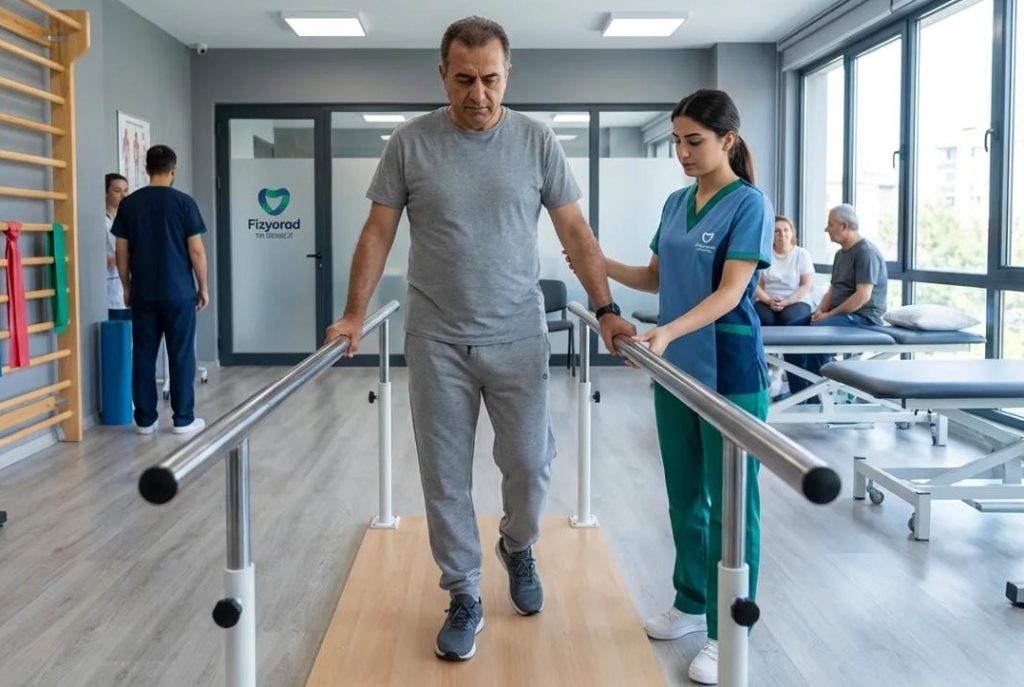
The right choice depends on what was done to your body. Here is how it often looks across common treatments.
After orthopaedic surgery
Joint and spine patients need physiotherapy, safe walking practice and fall prevention. A hospital with its own rehab unit works well at first. Later, a resort with a qualified physiotherapist can carry the plan forward. Our guide to orthopaedic surgery in India covers the treatment side.
After cardiac care
Heart patients need close monitoring and a doctor-led rehab plan. A resort should be used only if a cardiologist approves and a hospital is close by. Read more about cardiac care in India.
After cosmetic and dental work
Many of these procedures need short hospital stays. Patients often want a quiet place to rest, avoid sun and follow dressing instructions. A recovery resort or serviced residence can fit well if the clinic is easy to reach for check-ups. See our pages on cosmetic and dermatology care and dental tourism in India for planning details.
After cancer treatment
Recovery here is both personal and medical. Supportive habits such as sleep, food and gentle movement may help, but only with your oncologist’s approval. Our post-cancer recovery guide lists safe questions to ask.
Questions to Ask Before You Book a Recuperation Resort
Do not choose by photos alone. Ask these questions and get the answers in writing:
- Is a doctor on site, or only on call? How fast can they reach me?
- Which hospital is your emergency partner, and how far is it?
- Are trained nurses present on every shift?
- Will your physiotherapist follow my surgeon’s plan?
- Who approves therapies for patients who have just had surgery?
- Can a companion stay with me, and at what cost?
- What does the daily rate include? Are medicines, tests and transport extra?
- Can you show your licences? For Ayurveda centres, check the standards listed by the Ministry of AYUSH.
MorningSun lists centres on its Ayurveda and wellness page so you can compare options before you speak to them.
Cost and Planning: What to Compare
Costs change by city, room type and centre level, so a single figure would mislead you. Focus on how to compare. Ask the hospital and the resort for written estimates. Check what each rate includes: room, meals, nursing, physiotherapy, medicines and transport.
A hospital day often costs more than a resort night. Yet a resort may add charges for therapies and transfers. Keep a buffer for one unplanned extra hospital day. Plan your visa too. Many patients need a medical visa, so check the current rules on the official Indian e-Visa portal or ask for travel and visa assistance.
Our guide on what is included in a medical tourism package shows which items packages usually cover and which they leave out.
Want a clear picture of treatment and recovery costs?
What NRIs and Overseas Families Should Think About
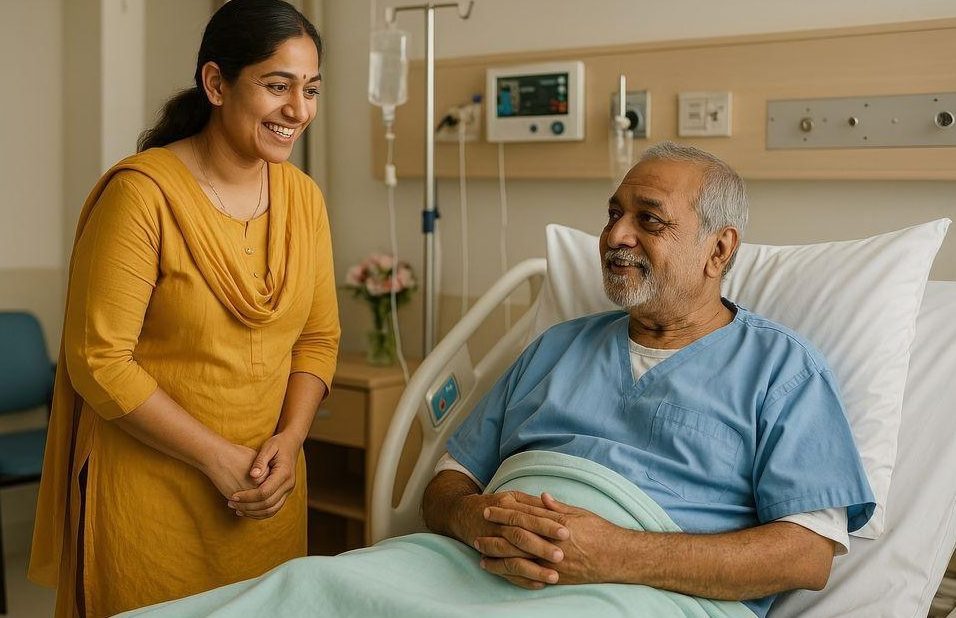
NRIs often recover near relatives, and that helps. But family can also bring pressure, with strong views on which doctor to see or which home remedy to try. DeshSansaar’s guide on how treatment works in India explains how family involvement shapes medical decisions.
If your parent is the patient and you live abroad, this DeshSansaar guide on supporting parents through a diagnosis from abroad offers practical steps to stay involved. Name one family member as the main contact. Keep digital copies of all reports. Join doctor visits by video call.
A second medical opinion before surgery can also help you learn how long you will need to stay in hospital and what recovery will look like.
Common Mistakes to Avoid
- Choosing a resort for price alone
- Leaving hospital early to save money
- Starting herbal treatments or massage without your surgeon’s approval
- Booking a flight home before the follow-up date
- Trusting wellness claims without checking the doctors’ credentials
- Skipping a written handover between hospital and resort
A Simple Five-Step Checklist
- Ask your surgeon how many hospital days you need and why.
- Ask what level of care you will need after discharge.
- Shortlist two or three recovery options and request written details.
- Arrange a doctor-to-doctor handover of your records.
- Book flexible dates so you can extend your stay if needed.
If you want help with any of these steps, MorningSun’s patient support services can guide you from planning to follow-up.
Final Thoughts
Neither choice is better in every case. A hospital protects you when risk is high. A resort helps you heal when risk is low and rest matters most. For many patients, the strongest plan uses both, one after the other. Let your surgeon set the timeline, then pick a place that fits it.
Ready to plan your healing space?
FAQs:
Only after surgeon clearance, with stable health, trained nursing on site and a hospital nearby.
Your surgeon decides. It depends on the procedure, your health, and how your wound and pain progress.
Only if your surgeon approves and the timing is safe. Some therapies can harm healing wounds.
Often per day, but extras and rates vary. Compare written estimates before you decide.
Many resorts allow a companion. Hospitals usually limit visiting hours. Confirm before you book.
Many patients travel on a medical visa. Check current rules on the official Indian e-Visa portal.
External Resources
- CDC Travelers’ Health: Medical Tourism : Planning follow-up care and travel risks after procedures abroad.
- National Accreditation Board for Hospitals & Healthcare Providers (NABH) : Accreditation standards for Indian hospitals.
- Ministry of AYUSH, Government of India : Official information on Ayurveda and traditional medicine standards.
- Mayo Clinic: Deep Vein Thrombosis : Symptoms and risks, useful before long flights after surgery.
- Indian e-Visa Portal : Official visa information, including medical visa categories.
- WHO: Patient Safety : Global overview of safe care and patient rights.
Comments