
Booking a hair transplant is usually the easy part. The question that actually keeps people up at night is what happens after: how much it will hurt, how long before it looks normal enough to go back to work, and whether travelling to India for the procedure complicates recovery in ways a local clinic wouldn’t.
Hair transplant recovery time follows a fairly predictable pattern, regardless of where the procedure is done, but travelling for treatment adds a few practical layers worth planning for in advance. Knowing exactly what to expect, week by week, removes most of the anxiety that comes from not knowing whether what you’re seeing in the mirror is normal.
Hair Transplant Recovery Timeline: What to Expect Week by Week
Days 1 to 3: Swelling and Initial Healing
The first few days involve mild to moderate swelling, particularly around the forehead and eyes if the hairline was treated, along with some redness and tenderness across both the donor and recipient areas. This is normal and typically peaks around day two or three before starting to subside. Most clinics schedule a follow-up wash and check-in during this window.
Start comparing verified clinics and mapping your recovery timeline today.
Days 4 to 10: Scabbing
Small scabs form around each transplanted graft during this period. This looks more alarming than it is. The scabs are part of normal healing and will flake off naturally within ten to fourteen days if left alone. Picking or scratching at them risks dislodging the graft underneath, which is one of the most important things to avoid during this entire window.
Weeks 2 to 4: The “Shock Loss” Phase
This is the stage that surprises and worries people the most. Many of the newly transplanted hairs will actually fall out during this period, a process called shock loss. This is completely normal and does not mean the transplant failed. The hair follicle itself remains in place beneath the skin; only the visible shaft sheds temporarily before the follicle re-enters its growth cycle.

Months 3 to 4: New Growth Begins
This is typically when new, fine hair starts emerging from the transplanted follicles. Growth is gradual and the new hair often looks thin and different in texture initially compared to surrounding hair.
Months 6 to 12: Density Builds
Hair continues to thicken and fill in during this window, with most people seeing a noticeably fuller result by month nine. This is usually the point where the transplant starts looking like a genuine, natural result rather than a work in progress.
Months 12 to 18: Final Results
Full maturation, including final hair thickness, texture, and density, typically isn’t apparent until twelve to eighteen months post-procedure. This extended timeline is worth setting expectations around from the very start, since the difference between month six and month fifteen can be substantial.
FUE Recovery Tips for the First Week
Sleep at an Elevated Angle
Sleeping with your head elevated, using an extra pillow or a travel neck pillow, reduces swelling in the first few days significantly. Many clinics recommend this for at least the first three to five nights.
Follow the Clinic’s Specific Washing Protocol
Every clinic has a slightly different washing schedule for the first week, typically involving a gentle saline rinse followed by a specific mild shampoo introduced a few days later. Following the exact protocol given, rather than a generic routine found online, matters more than people expect, since technique and timing affect graft survival.
Avoid Touching, Scratching, or Wearing Tight Headwear
The recipient area needs to remain undisturbed while grafts anchor themselves. This means avoiding hats, helmets, or anything that creates friction or pressure against the scalp for at least the first week, longer if your clinic advises it.
Skip Strenuous Exercise Temporarily
Activities that raise blood pressure and cause heavy sweating, including intense workouts, are generally paused for around two weeks, since excessive sweating and increased blood flow to the scalp can affect healing grafts.
Post Transplant Care India: What’s Different When You’re Travelling
Plan to Stay Long Enough for the Critical Window
Most clinics recommend staying in India for a minimum of several days after the procedure to attend at least one or two follow-up washes and checks before flying home. Flying too soon after surgery, particularly long-haul, adds swelling risk and makes it harder for the clinic to catch an early issue in person rather than over a video call.
Choose Recovery Accommodation Thoughtfully
A hotel or serviced apartment close to the clinic, rather than across the city, makes follow-up visits far less stressful during a period when you’re managing swelling, mild discomfort, and a strict washing routine. Some patients specifically choose to extend their stay slightly to combine recovery with a calmer, low-activity period rather than a packed sightseeing itinerary.
Account for Climate
India’s climate, particularly heat and humidity in many regions, affects sweating and sun exposure risk differently than a patient’s home climate might. Sun protection, including a loose, non-restrictive hat once your clinic approves headwear, and staying out of direct midday sun matters more in warmer Indian cities than it might back home.
Confirm the Follow-Up and Emergency Contact Plan Before You Leave
Ask specifically how the clinic handles concerns that arise after you’ve flown home: whether they offer video follow-ups, how to reach them urgently, and what local aftercare guidance they provide for continuing the routine once you’re no longer nearby. It’s also worth confirming your medical visa timeline and documentation well before travel, since this affects how long you’re legally able to stay for follow-up care.
Ready to line up a verified clinic and map your recovery window before you book?
Hair Transplant Aftercare Checklist
- Take prescribed medications exactly as directed, including any antibiotics or anti-inflammatory medication, for the full course even if you feel fine.
- Avoid alcohol and smoking for at least the first week to ten days, since both can affect healing and blood flow to the scalp.
- Hold off on swimming pools and saunas for at least two to three weeks, since chlorinated or very hot water can irritate healing grafts.
- Avoid direct sun exposure on the scalp for several weeks, using a hat only once your clinic confirms it’s safe to wear one without friction risk.
- Don’t colour or chemically treat hair for at least four to six weeks post-procedure.
- Attend every scheduled follow-up, whether in person before you fly home or via video call afterward.
Managing Pain and Discomfort
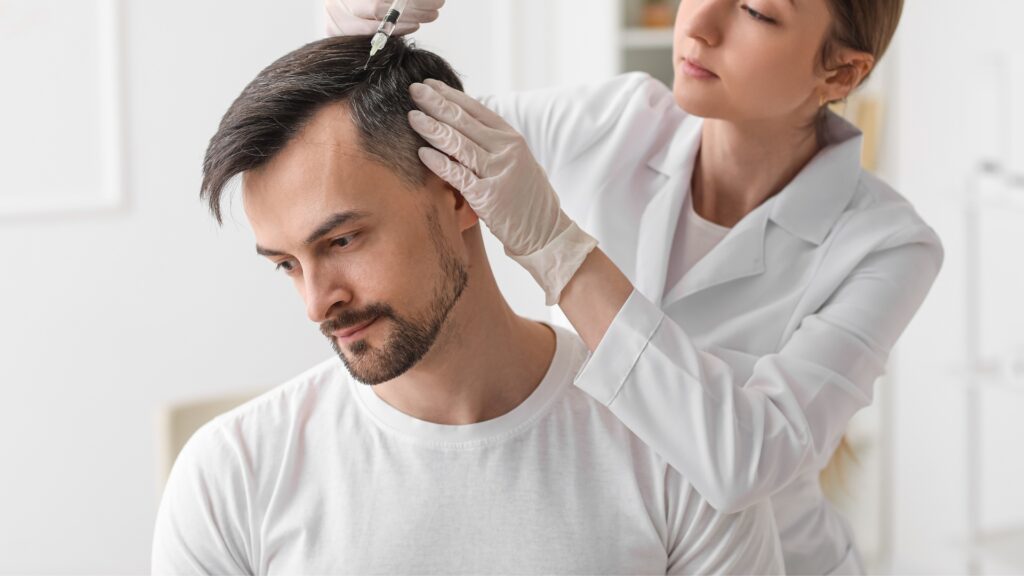
Most patients describe the discomfort as mild to moderate rather than severe, more akin to a tight, sunburned scalp than acute pain. Prescribed pain relief typically covers the first two to three days adequately, with discomfort tapering noticeably after that. The donor area, particularly with FUT, tends to remain more tender for longer than the recipient area. Applying a cold compress near, but not directly on, the treated area during the first 48 hours, as advised by your clinic, can help manage swelling and discomfort together.
What to Pack for Your Recovery Period in India
A few practical items make the first week noticeably more comfortable, especially when you’re managing recovery away from home:
- A travel or cervical pillow to maintain an elevated sleeping position without needing to prop up regular hotel pillows awkwardly.
- Loose, button-up or zip-up shirts that don’t need to be pulled over the head, avoiding contact with the treated scalp while dressing.
- A soft, wide-brimmed hat for later in recovery once your clinic confirms headwear is safe, useful for both sun protection and comfort while sightseeing cautiously.
- Any personal medications or supplements you take regularly, along with a copy of your prescription in case of any travel document checks.
- A phone or tablet set up for video calls, since follow-up consultations after you’ve returned home often happen this way.
Packing with recovery in mind, rather than a typical travel itinerary, makes the first week meaningfully easier to manage.
Common Recovery Concerns and When to Contact Your Clinic
Mild swelling, scabbing, and temporary shedding are all expected. Contact your clinic promptly if you notice signs that fall outside normal healing: increasing pain rather than gradual improvement, pus or unusual discharge, fever, or grafts that appear to be falling out in clumps rather than the expected gradual shock loss pattern. A reputable clinic will have a clear process for addressing these concerns quickly, even remotely.
FUE vs FUT Recovery Differences
FUE, where individual follicular units are extracted one at a time, generally involves less visible scarring and a somewhat faster surface healing time compared to FUT, which involves removing a strip of scalp tissue and typically leaves a linear scar in the donor area. FUT recovery often involves a longer period of donor-site discomfort and a longer period before returning to physically demanding activity. Most international patients choosing India for cost and technique quality lean toward FUE specifically because of this more comfortable, less visible recovery process.
Planning Your Trip Around the Recovery Timeline
Because the most critical healing window falls in the first two weeks, the ideal trip structure allows for the procedure day, several days of in-clinic monitoring and washes, and a buffer before a long flight home. Scheduling the trip with this window in mind, rather than around the shortest possible stay, generally leads to a smoother recovery and fewer complications caught only after returning home.
Longer term, once your clinic has confirmed the scalp has fully healed, typically several months out, some patients incorporate gentle, natural scalp care such as onion oil into their maintenance routine to support the surrounding hair. This should only begin once explicitly cleared by your surgeon, since introducing oils or active ingredients too early can interfere with healing grafts.
Get help mapping your travel dates around the ideal recovery window.
Conclusion
Hair transplant recovery follows a predictable arc: swelling in the first days, scabbing within two weeks, temporary shedding by the first month, and gradual, genuine growth over the following year. Travelling to India adds a few practical planning steps, mainly around timing your stay and follow-up care, but doesn’t change the underlying biology of healing. Plan your trip around the critical early recovery window, follow your clinic’s specific aftercare instructions closely, and give the full timeline the patience it requires.
FAQs:
Initial healing takes about two weeks; full results take twelve to eighteen months to fully mature.
Yes, shock loss is expected and does not mean the transplant has failed.
Most clinics recommend staying for several days to attend early follow-up washes and checks.
Typically after the initial follow-up window, though your specific clinic will confirm timing.
Most clinics advise waiting around two weeks before resuming strenuous activity.
Comments