
Aging is a natural process, but the signs of aging do not always feel easy to accept. Many people notice sagging skin, wrinkles, and looseness around the jawline as the years go by. These changes can sometimes make a person look tired even when they feel energetic inside. Because of this, more people today are choosing options that help them regain a fresh, youthful appearance. One option that has gained huge attention is Facelift Surgery in India.
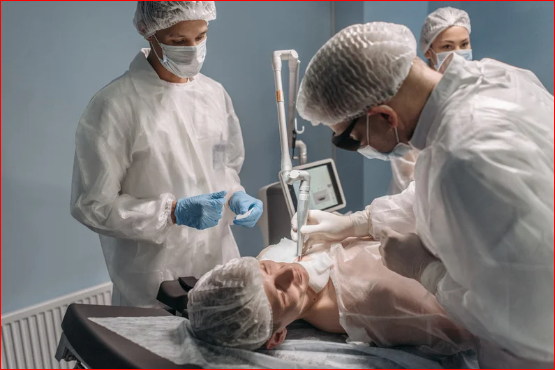
This treatment has become popular not only among people living in India but also among individuals traveling from abroad. India offers skilled surgeons, modern hospitals, and costs that are far lower than many Western countries. Combined with a high standard of care, it has become one of the most preferred destinations for those looking for facial rejuvenation.
What Makes Facelift Surgery in India So Popular?
There are a few strong reasons why people prefer this treatment in the country. First, India has some of the most experienced cosmetic surgeons who have been trained in advanced techniques. They perform a wide range of facial procedures every year, which adds to their expertise. Second, hospitals and cosmetic centers in major Indian cities are equipped with updated technology. The care offered is on par with global standards.
Another factor is affordability. Facelift Surgery in India costs much less compared to places like the United States, the United Kingdom, or Australia. Even when you add travel and hotel expenses, the total amount often remains significantly lower. This makes the treatment accessible for many who want quality results without spending a fortune.
People also appreciate the personalized attention they receive. Many cosmetic centers offer detailed consultations where patients can openly discuss their concerns, expectations, and desired results. Surgeons take time to study Ayurvedic facial structure, skin texture, and aging patterns, and then suggest the most suitable type of facelift.
Understanding What a Facelift Actually Is
A facelift is a cosmetic procedure that aims to tighten the facial skin and underlying tissues. Over time, skin loses its elasticity, muscles weaken, and fat shifts downward due to gravity. This causes the face to look droopy or uneven. The procedure helps correct these changes by lifting the deeper tissues, removing excess skin, and reshaping areas that look hollow or saggy.
While many think a facelift only focuses on the skin, that is not true. Modern procedures target deeper layers to create natural-face glowing results that last longer. This approach restores the youthful contours of the cheeks, jawline, and neck.
When choosing Facelift Surgery in India, people get access to advanced techniques that help achieve a refreshed appearance rather than an artificial or overly tight look.
Different Types of Facelift Procedures Available
Not every face ages the same way, and not every person needs a full facelift. Surgeons look at the degree of sagging, skin quality, and goals before recommending the right treatment. The most common types include:
1. Full Facelift
This is suitable for someone who has significant sagging in the mid-face, jawline, and neck. It offers the most dramatic and long-lasting results. During the procedure, the surgeon lifts deeper tissues, repositions muscles, removes excess skin, and reshapes the jawline.
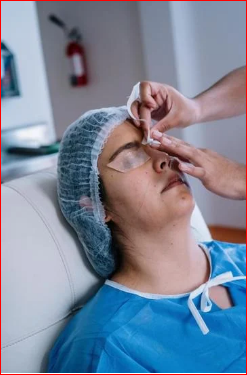
2. Mini Facelift
A mini facelift is ideal for younger individuals or those with mild sagging. It focuses mainly on the lower face area. The incisions are smaller, and recovery is quicker. Many people choose this when they want subtle but noticeable improvement.
3. Mid-Facelift
This technique targets the cheek area. It helps restore volume and lift the central part of the face. Someone who has flat or droopy cheeks often benefits from this approach.
4. Neck Lift
Some people have more laxity around the neck rather than the face. Loose skin, band lines, or extra fat can make the neck appear older. In such cases, a neck lift works well. Many surgeons combine a full facelift with a neck lift for a balanced result.
5. Thread Lift
Thread lifts are non-surgical or minimally invasive. Special dissolvable threads are inserted to lift loose skin. The results are not as dramatic as a surgical facelift, but many people prefer them because the downtime is short.
In clinics that perform Facelift Surgery in India, these options are explained in detail so patients can choose what suits them best.
Who Is the Right Candidate for This Procedure?
A facelift is not just for older individuals. Anyone who has sagging skin, deep creases, droopy cheeks, or an undefined jawline might consider it. Good candidates usually meet the following conditions:
- They are in good general health
- They do not smoke or are willing to stop temporarily
- They have realistic expectations
- They want a natural improvement, not an exaggerated change
Surgeons offering Facelift Surgery in India often conduct a detailed evaluation to ensure the person is fit for the procedure. They check medical history, lifestyle, allergies, and medications before planning the treatment.
How Much Does Facelift Surgery in India Cost?
The cost can vary widely, depending on several factors. These include the surgeon’s experience, the clinic’s location, the type of facelift, and whether additional treatments are added, such as eyelid surgery or fat grafting.
On average, the cost is lower than what many people expect. Most cities like Delhi, Mumbai, Bangalore, Chennai, and Hyderabad offer a range of packages. For many, the affordability of Facelift Surgery in India is one of the biggest attractions.
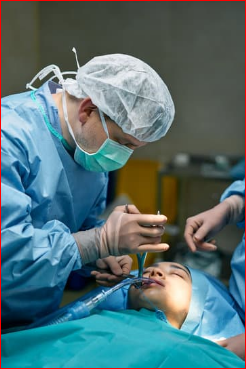
Many people traveling from other countries also find the cost-effective nature appealing. They get advanced care, a comfortable stay, and high-quality results at a fraction of international prices.
What Happens During the Surgery?
Before the surgery begins, the surgeon marks the areas where changes are needed. The person is given anesthesia to ensure comfort. Depending on the type of facelift, the surgery may take two to four hours.
During the procedure, the surgeon:
- Lifts the deeper facial tissues
- Removes or repositions fat
- Tightens muscle layers
- Removes extra skin
- Carefully closes the incisions
The aim is always to keep scars hidden near the hairline or behind the ears. Skilled surgeons performing Facelift Surgery in India give attention to small details so the results look natural and balanced.
Recovery After the Procedure
Recovery time depends on the type of facelift performed. A full facelift requires more healing time than a mini facelift. Most people can expect some swelling, tightness, and mild discomfort for the first few days. Bruising gradually reduces in one to two weeks.
Doctors usually share clear instructions such as:
- Keeping the head elevated
- Avoiding extreme facial movements
- Taking prescribed medicines
- Using cold compresses
- Avoiding sun exposure
- Not engaging in strenuous activities
With proper care, people can return to normal activities within two to three weeks. Clinics that offer Facelift Surgery in India usually provide follow-up support to make sure recovery goes smoothly.
Possible Risks and How to Reduce Them
Even though the surgery is safe when done by trained professionals, every medical procedure carries some risks. These may include temporary numbness, swelling, discomfort, or minor scarring. Rarely, complications like infection or healing issues can occur.
Choosing a skilled surgeon greatly reduces the chances of problems. Many people trust specialists who have years of experience performing Facelift Surgery in India. Discussing concerns before surgery and following aftercare instructions helps make the journey safer and smoother.
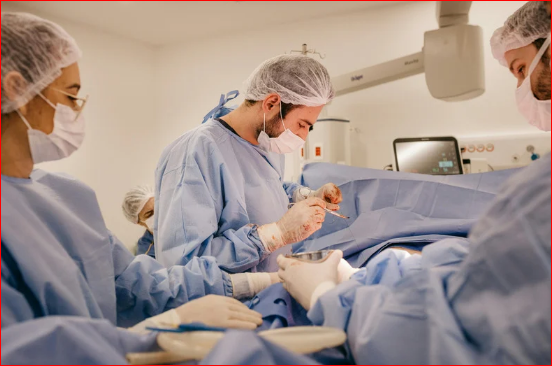
Results You Can Expect from the Procedure
The results of a facelift are long-lasting. Many people experience a refreshed, uplifted appearance that makes them look years younger. The jawline becomes more defined, the cheeks look fuller, and the overall face looks tighter and smoother.
While the aging process continues, the results remain noticeable for many years. Surgeons who perform Facelift Surgery in India focus on giving natural results so the face does not look pulled or stretched.
Non-surgical treatments like fillers, lasers, or chemical peels may also help maintain results longer. Some people combine these options based on their surgeon’s guidance.
Before and After Care Tips
Proper care before and after the treatment makes a big difference in results. Before surgery, doctors usually advise:
- Avoiding certain medications
- Stopping smoking
- Staying hydrated
- Eating nutritious meals
- Arranging help for the first few days of recovery
Post-surgery care is equally important. People are encouraged to rest, follow instructions, and attend follow-up visits. Those choosing Facelift Surgery in India often appreciate the supportive care provided by clinics and staff.
Is India a Safe Destination for Cosmetic Procedures?
India has become a trusted medical destination worldwide. Many hospitals and cosmetic clinics follow strict hygiene standards and offer advanced treatments. The doctors are experienced, and most have international exposure. This is why Facelift Surgery in India has become a reliable choice for many.
Patients traveling from abroad often combine their medical trip with leisure activities. Indian cities offer cultural experiences, food, and hospitality that make the journey enjoyable and comfortable.

Final Thoughts
A youthful appearance can boost one’s confidence. Modern cosmetic procedures have made it possible for people to look as vibrant as they feel. Facelift Surgery in India offers a safe, effective, and affordable way to refresh facial features. With skilled surgeons, advanced techniques, and reasonable pricing, it has become a preferred choice for many looking for long-lasting facial rejuvenation.
FAQs:
Most people enjoy long-lasting results for many years. The aging process continues, but the refreshed look remains visible for a long time. Good skincare and a healthy lifestyle can help maintain the outcome even longer.
During the procedure, anesthesia keeps you comfortable. Afterward, mild discomfort, swelling, or tightness may occur, but these feelings usually reduce within a few days. Doctors give medicines to help you stay comfortable.
Light activities can usually start in about one week. Most people feel ready to return to work within two to three weeks, depending on the type of facelift and how their body heals.
Surgeons plan incisions in areas that are less noticeable, such as the hairline or natural creases around the ears. With time, the scars fade and become harder to see.
Yes. Modern techniques focus on lifting deeper layers instead of pulling only the skin. This creates soft, natural-looking results instead of a tight or stretched appearance.
Age is not the only factor. If someone has visible sagging, droopy cheeks, or loose skin along the jawline, they may benefit from the procedure regardless of age. A surgeon can guide based on individual needs.
The first few days require rest and care, but most people find the recovery manageable. Following the doctor’s instructions helps make healing smoother and faster.
Yes. Many people pair it with eyelid surgery, neck lift, fat grafting, or non-surgical treatments to achieve more balanced results.
A mini facelift or non-surgical options like thread lifts may be suitable. These give subtle changes with shorter downtime.
Initial improvement is visible within a few weeks, but the full results usually appear after swelling reduces completely, which may take a few months.
Comments