
When a couple is trying to conceive and faces difficulty, doctors often recommend fertility testing to understand the underlying issues. Among the most common and effective tests are HSG and ultrasound in fertility testing. These tools provide crucial insights into a woman’s reproductive system and help doctors plan the right treatment. If you are about to undergo these tests, knowing what to expect can make the process less stressful and more manageable.
What is HSG?
HSG stands for hysterosalpingography, a special X-ray test that checks the uterus and fallopian tubes. It helps identify blockages or structural problems that could prevent pregnancy. During HSG, a contrast dye is gently inserted into the uterus and tubes, and X-ray images are taken.
Many women feel anxious about HSG because it involves a medical procedure, but understanding each step can reduce fear. Typically, the test is scheduled after menstruation but before ovulation to avoid interfering with a potential pregnancy.
Why HSG is Important in Fertility Testing
The main goal of HSG is to detect:
- Blocked fallopian tubes
- Uterine abnormalities such as fibroids or polyps
- Scarring or adhesions inside the uterus
Finding these issues early can help doctors decide whether surgery, medication, or assisted reproductive techniques like IVF might be necessary. Using HSG and ultrasound in fertility testing together gives a comprehensive view of both the structure and function of reproductive organs.
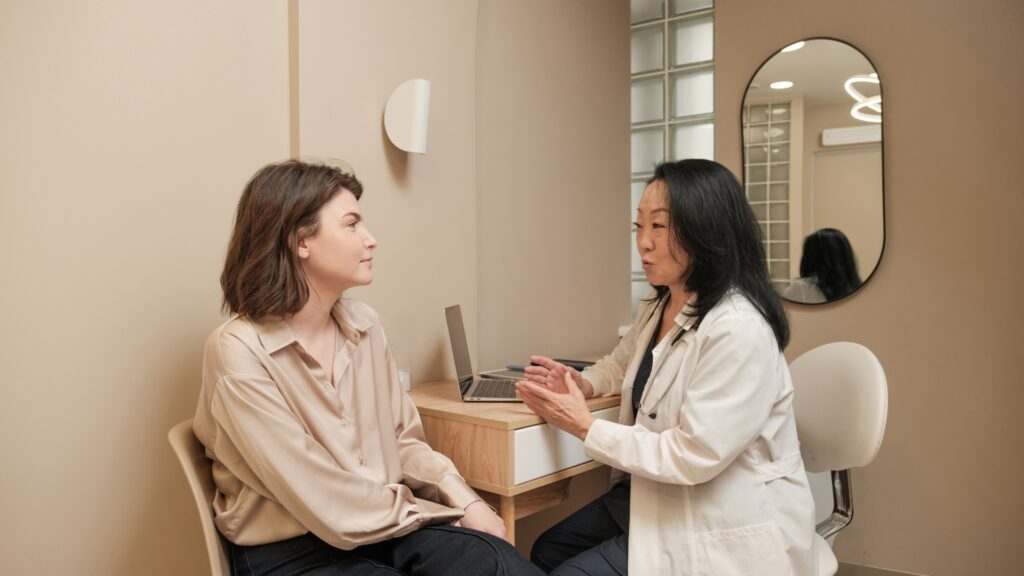
How HSG Feels
During HSG, some women experience mild cramping, similar to period pain, and slight discomfort when the dye is injected. Most discomfort lasts only a few minutes. Doctors often suggest taking over-the-counter pain relief 30–60 minutes before the procedure.
It’s also normal to have light spotting or watery discharge for a day or two after HSG. Following post-test instructions, such as avoiding intercourse for a short period, helps prevent infection and ensures accurate results.
Ultrasound in Fertility Testing
Ultrasound, often called sonography, uses sound waves to create images of the uterus, ovaries, and other pelvic structures. It is non-invasive, painless, and can be done either transabdominally (over the belly) or transvaginally (inside the vagina).
When used alongside HSG, ultrasound provides important information about:
- Ovary size and health
- Follicle development and ovulation timing
- Uterine lining thickness
- Presence of cysts, fibroids, or other abnormalities
Doctors sometimes use HSG and ultrasound in fertility testing on the same day or in a few days apart, depending on the clinic protocol. This combination ensures no detail is missed.
Preparing for the Tests
Preparation is key to smooth fertility testing. Here are some general tips:
- Schedule wisely: HSG is best done in the first half of your cycle. Ultrasound can be flexible but is often coordinated with ovulation.
- Avoid certain medications: Your doctor may ask you to skip specific drugs or take antibiotics if needed.
- Comfortable clothing: Wear easy-to-remove clothes since you’ll need to lie down for the tests.
- Pain relief: Take recommended painkillers if suggested by your doctor to reduce discomfort during HSG.
- Support: Having a partner or friend for emotional support can help ease anxiety.
What the Results Mean
Once the tests are done, your doctor will review the images. Here’s what they may find:
HSG Results:
- Normal: Tubes are open, and the uterine cavity is clear.
- Blocked tubes: May require surgery or IVF treatment.
- Abnormal uterine shape: Fibroids, polyps, or scarring could be treated before conception.
Ultrasound Results:
- Healthy ovaries: Regular follicles indicate normal ovulation.
- Cysts or fibroids: May need monitoring or treatment.
- Endometrial health: Adequate lining thickness supports implantation.
Combining both results gives a complete picture of reproductive health, allowing personalized fertility care.

Safety Consideration
Both HSG and ultrasound are generally safe. However, it’s essential to inform your doctor about:
- Allergies to contrast dye or iodine
- Pregnancy or suspicion of it
- Current infections or pelvic pain
After the tests, mild cramping, spotting, or bloating is normal. Severe pain, fever, or unusual discharge should be reported immediately.
Tips for a Comfortable Experience
- Relaxation techniques: Deep breathing or listening to music during ultrasound can reduce anxiety.
- Timing: Plan the test when you are not rushed and can rest afterward.
- Follow instructions: Use any recommended pain relief or antibiotics to prevent complications.
- Ask questions: Understanding each step reduces stress and improves cooperation during the procedure.
When to Seek Help
Even with routine procedures like HSG and ultrasound, knowing when to seek medical attention is important. Contact your doctor if you experience:
- Severe abdominal pain lasting more than a day
- Fever or chills
- Heavy bleeding or foul-smelling discharge
Prompt care ensures any complications are addressed quickly.
Integrating Results into Fertility Planning
Once results are ready, your fertility specialist will discuss next steps. Depending on findings, treatment may include:
- Lifestyle changes for ovulation support
- Medications to improve fertility
- Surgical correction of uterine or tubal issues
- Assisted reproductive technologies like IVF
Using HSG and ultrasound in fertility testing together allows couples to make informed decisions and improve chances of conception naturally or with medical assistance.
Key Takeaway
Understanding what to expect from HSG and ultrasound in fertility testing can help reduce anxiety and make the process smoother. These tests are safe, informative, and essential for identifying potential challenges in conception. By preparing well, following instructions, and communicating with your doctor, you can approach fertility testing confidently and take proactive steps toward starting or expanding your family.
FAQs:
1. How painful is HSG in fertility testing?
Most women feel mild cramping similar to period pain during HSG. Discomfort usually lasts only a few minutes. Taking pain relief before the test and following your doctor’s instructions can make it more comfortable.
2. Is ultrasound safe for fertility testing?
Yes, ultrasound is completely safe, non-invasive, and painless. It uses sound waves to create images of the reproductive organs without radiation, making it safe for repeated use.
3. Do I need to fast before HSG or ultrasound?
Fasting is usually not required. For HSG, your doctor may advise avoiding certain medications or taking antibiotics. Ultrasound generally requires no special preparation, though some transabdominal ultrasounds may ask you to have a full bladder.
4. How soon will I get my results?
HSG results are often available immediately, with a doctor reviewing the X-rays right after the procedure. Ultrasound images are usually interpreted the same day or within a few days. Your doctor will discuss the results and next steps.
5. Can these tests improve my chances of getting pregnant?
While the main purpose is diagnosis, HSG can sometimes improve fertility slightly because flushing the tubes with dye can remove minor blockages. Ultrasound helps track ovulation and uterine health, which assists in fertility planning.
6. Are there any risks of infection?
Both HSG and ultrasound are generally safe, but infection is rare. Following post-test instructions, such as avoiding intercourse for a short period and taking prescribed medications, helps reduce risk.
7. When is the best time in my cycle for these tests?
HSG is usually done after menstruation but before ovulation. Ultrasound can be flexible but is often scheduled around ovulation to monitor follicle growth and uterine lining.
8. Can men also undergo fertility testing at the same time?
Yes, fertility evaluation is for both partners. Men may need semen analysis while women undergo HSG and ultrasound to assess reproductive health together.
Comments