
Surgery is only half the journey. What happens in the two to six weeks after you leave the operating table often decides how well you actually heal. For international patients, expats, and NRIs flying into India for treatment, the real planning question is rarely just which hospital to pick. It is where to recover once you are discharged.
Recovery destinations in India range from quiet Kerala backwaters to Himalayan foothill towns to structured recuperation stays built around a hospital’s own patient care network. Each option changes how you sleep, how your wound is monitored, and how soon you are fit to fly home. This guide looks at what a good post surgery recovery destinations India search should actually turn up, which regions suit which procedures, and how to plan the stay without adding stress to a trip that is already demanding enough.
Already have a procedure booked and need a recovery plan sorted before you land?
Why Your Recovery Location Matters After Surgery
Where you spend the first few weeks after surgery affects more than comfort. Wound infection risk goes up in dusty, humid, or poorly ventilated spaces. Noise and constant movement around a patient disturb the sleep that tissue repair depends on. And for anyone recovering from cardiac, orthopaedic, oncology, or transplant procedures, being far from a hospital that can see you quickly for a follow-up or a complication is a real risk, not a minor inconvenience.
Families often underestimate how much the first two weeks shape the rest of recovery. A patient who sleeps poorly, eats irregular meals, or has no one nearby to notice early warning signs of infection tends to have a longer, harder recovery overall, regardless of how skilled the surgery itself was.
A calmer setting also reduces the everyday stress that can slow healing indirectly, through poor sleep, skipped meals, or missed medication timings. This is why more patients are now booking a recovery retreat after surgery instead of simply returning to a hotel room once they are discharged.
What Makes a Good Post-Surgery Recovery Destination

Not every scenic location is a safe place to recover. Before booking, weigh these four factors against your specific procedure and your surgeon’s discharge instructions.
Climate and Air Quality
Extreme heat, high pollution, or heavy humidity can all slow wound healing and increase infection risk. Hill towns and coastal areas with moderate, stable climates are usually a safer bet than crowded city centres in peak summer.
Distance From the Treatment Hospital
Ask your surgical team how many follow-up visits you will need in the first month. If the answer is more than one or two, choose a recovery stay within a short drive of the hospital rather than a destination several hours away.
Food Hygiene and Dietary Support
Post-operative diets are often specific — low sodium after cardiac surgery, soft food after dental or facial work, high protein after orthopaedic procedures. A recovery destination with a kitchen that understands medical diets is worth more than one with an impressive menu.
Medical Backup and Emergency Access
Confirm that the property or retreat has a tie-up with a nearby hospital, a doctor on call, or at minimum a nurse who can assess a wound or a fever without you having to travel far to be seen.
Not sure which of these factors apply to your surgery?
Top Post-Surgery Recovery Destinations in India
These four regions come up most often when patients and their families search for a place to recuperate after treatment in India. Each suits a different mix of climate, pace, and access to follow-up care.
Kerala — Ayurveda-Led Recovery by the Backwaters
Kerala’s backwater towns are humid but shaded, quiet, and built around slow living, which makes them a popular choice for patients who want rest without isolation. Once your surgeon has cleared you for gentle therapies, many Kerala Ayurveda resorts offer supervised, low-intensity Abhyanga and rejuvenation therapies that support circulation and mood during recovery. These should only begin once your incision has healed and your doctor has approved massage-based therapy — never in the first days after surgery.
Rishikesh and the Himalayan Foothills — Quiet, Slow-Paced Recovery
For patients who find city noise overwhelming during recovery, the Himalayan foothills offer cooler air and a genuinely slower pace. Several Rishikesh and Himalayan retreats are built around stress and sleep recovery programs, which can be genuinely useful for patients recovering from long or high-stress procedures such as cardiac surgery or oncology treatment, once physical activity restrictions allow it.
Goa — Coastal Recovery With Easy International Connectivity
Goa’s advantage is logistics. It has direct international flight connections, a milder coastal climate for parts of the year, and a wide range of Goa Ayurveda resorts set up for longer stays. It suits patients who want beach-adjacent calm without adding an extra domestic flight to their journey home.
Tamil Nadu and Pondicherry — Structured Recovery Programs
Chennai’s strong hospital network makes Tamil Nadu and nearby Pondicherry a practical choice for patients who need to stay close to specialists after cardiac care, orthopaedic surgery, or oncology treatment. Several Tamil Nadu and Pondicherry resorts run structured recuperation programs with fixed meal timings, nursing check-ins, and easy hospital access.
Best Time of Year for a Recovery Stay in India
Timing affects comfort more than most patients expect. October through March is generally the easiest window across most of India, with cooler, drier weather in the north and pleasant coastal temperatures in Kerala and Goa. Peak summer months, from April to June, bring heat and humidity that can make wound care and general comfort harder, especially in coastal and southern regions. Monsoon season, roughly June to September, cools things down but adds high humidity in many areas, which is worth discussing with your care team if you are prone to skin sensitivity or slow healing. If your surgery date is fixed and falls outside the cooler months, choosing an air-conditioned, well-ventilated property becomes far more important than the destination’s scenery.
What a Recovery Retreat Package Usually Includes

A proper recuperation package is built around medical caution, not spa indulgence. Most credible programs include the following:
- A private, quiet room with easy bathroom access and minimal stairs
- A dietary plan matched to your surgery type, reviewed with your treating doctor
- Scheduled nursing check-ins or vital monitoring in the first week
- Transport arranged for follow-up hospital visits
- Optional, doctor-approved traditional Ayurvedic therapies introduced only after wound healing is confirmed
If you are unsure what your specific procedure allows, ask for a second medical opinion before adding any therapy to your recovery plan.
Want to compare verified recovery-friendly stays near your treatment city first?
Recovery Stay vs Hospital Guesthouse: What NRIs Should Know
Families based abroad often default to booking a hospital guesthouse because it feels like the safe, obvious choice. It can work well for short stays, but guesthouses are usually built for convenience near the hospital, not for the quiet, low-stimulation environment that a longer recovery needs.
A hybrid approach works well for many international patients: spend the first few days in a guesthouse or hospital-adjacent stay while the medical team monitors the wound closely, then move to a calmer recovery destination once the risk of early complications has passed. Ask your care coordinator whether this staged approach suits your specific procedure before booking either option for the full duration.
If you are new to how care is organised in India, it helps to first understand how treatment actually works in India, from admission process to discharge paperwork, so you know what to expect before you choose where to recover. It is also worth reading a plain-language breakdown of healthcare realities in India if this is your family’s first experience arranging treatment from abroad — it explains the gaps between what is promised and what actually happens on the ground, so you can plan around them instead of being surprised by them.
Caring for Your Skin and Scars During Recovery
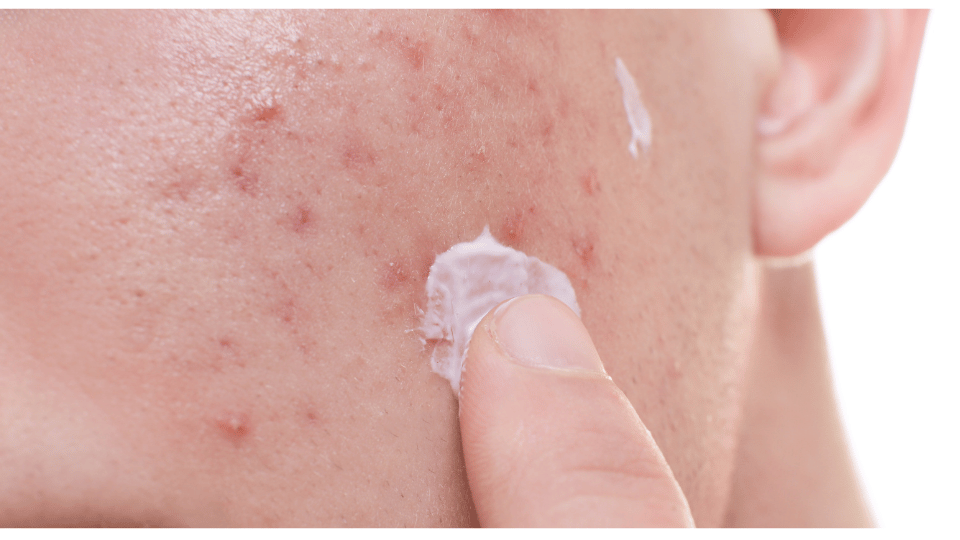
Once your surgeon confirms your incision has closed and there is no risk of infection, gentle, natural skincare can support how a scar settles over the following months. This should never replace your surgeon’s wound-care instructions, and nothing should touch an open or healing incision without medical clearance.
For patients researching natural options once they are cleared for topical care, it is worth reading how aloe vera supports skin healing and repair, and how ingredients such as lavender oil are used in natural scar-care routines. Always patch-test any new product and confirm timing with your surgeon before introducing it near a scar.
Planning Your Recovery Stay: A Simple Checklist
Sort these before you travel, not after you land. It saves time when you are already tired from the journey and the procedure.
- Confirm your medical visa and travel documents are in order well before your flight
- Review the full checklist of documents needed for treatment in India for international patients
- Read through how to prepare for surgery abroad step by step
- Get a written treatment planning and cost estimate that includes the recovery stay, not just the procedure
- Confirm how many follow-up visits are expected and choose a recovery location within easy reach
- Pack loose, easy-to-change clothing and any prescribed compression or support wear
Ready to lock in your recovery destination alongside your treatment plan?
Conclusion
Choosing where to recover deserves as much planning as choosing where to be treated. Climate, distance from your hospital, food hygiene, and medical backup matter more than scenery alone. Whether you recover by the Kerala backwaters, in the Himalayan foothills, on the Goa coast, or close to Chennai’s hospital network, the right recuperation stay can shorten the emotional distance of healing far from home.
FAQs:
Kerala, Rishikesh, Goa, and Tamil Nadu are the most popular, depending on your procedure and hospital city.
Only once your surgeon confirms you are fit to travel, usually a few days to a week after discharge.
No. Massage-based therapies need surgeon clearance and a fully healed incision first.
Yes, if it offers nursing check-ins, a suitable diet, and quick access to your hospital.
Typically one to three weeks, depending on the procedure and doctor’s advice.
Most structured recuperation packages include scheduled transport for follow-up visits.
Yes, most recovery stays and retreats accommodate one or more attendants.
External Resources
These official and independent sources are useful for verifying visa and travel requirements before your trip:
- Government of India e-Medical Visa portal — official visa application and requirements
- Ministry of Ayush, Government of India — official information on Ayurveda and traditional therapies in India
Comments