
Most patients spend weeks comparing hospitals, surgeons, and prices before they book. Far fewer plan the weeks that follow. Surgery abroad involves more moving parts than a domestic procedure: visas, long-haul flights, time zone changes, an unfamiliar hospital system, and recovery away from your usual support network.
Skipping preparation does not just cause stress on the day. It can push back your surgery date, add costs you did not plan for, or leave you without proper support during recovery. A clear, written checklist removes most of that guesswork, and it is the single biggest difference between a smooth medical trip and a chaotic one.
Who Needs This Pre-Surgery Checklist
This guide is built for three kinds of travellers: NRIs who want quality care during a visit home, foreign nationals exploring India for affordable, world-class treatment, and anyone comparing medical tourism destinations for the first time. If you fall into any of these groups, treat surgery abroad as a project with a timeline, not a single booking. That mindset alone prevents most of the common mistakes first-time medical travellers make.
How to Prepare for Surgery Abroad: The Complete Checklist
Use this checklist as your starting point and work through it in order. Ideally, begin four to six weeks before your travel date so nothing feels rushed.
1. Choose a Hospital With Verified Accreditation
Not every hospital that markets itself to international patients meets the same safety standards. Look for accreditation from a recognised body such as Joint Commission International, and ask for the surgeon’s qualifications and case history in writing. A hospital that answers these questions openly is one you can trust. To see the range of procedures already available to international patients, browse advanced medical treatments for international patients, including orthopaedic surgery and cardiac care programmes.
2. Request a Second Medical Opinion
Before you commit to a surgery date, get an independent review of your diagnosis and treatment plan. A second medical opinion can confirm that the recommended procedure is right for you, or point you toward a less invasive option. This one step alone prevents many patients from booking the wrong surgery.
3. Get a Full, Itemised Cost Estimate
Ask for a cost breakdown that covers the surgery itself, hospital stay, medication, follow-up visits, and any complications cover. Hidden charges are one of the most common complaints among first-time medical travellers. A written treatment planning and cost estimate protects you from surprises once you land.
4. Sort Your Visa and Travel Documents Early
Medical visas often take longer to process than tourist visas, and some countries require an official invitation letter from the hospital. Start this process as soon as your surgery date is confirmed. Reliable travel and visa assistance can help you avoid delays that push back your treatment.
Before you finalise flights, check your home country’s official travel advisory for your destination. This is a simple step that patients often skip until the last minute.
5. Book a Pre-Travel Teleconsultation
A video call with your surgical team before you fly answers questions your local doctor cannot: which tests to bring, which medications to pause, and what to expect on arrival day. A pre-travel teleconsultation also gives the hospital time to flag anything that needs attention before you travel, and it resolves most of the anxiety that builds up before surgery abroad.
Get Pre-Surgery Guidance: if you are planning a procedure overseas, get pre-surgery guidance before you book your flights. A short consultation now can save you a difficult conversation later.
6. Prepare Your Body and Mind Before You Fly
Surgery is physically demanding, and travel adds extra strain on top of it. In the weeks before you leave, prioritise sleep, eat well, and cut down on alcohol and smoking where you can. Pre-surgery anxiety is normal, and simple breathing and meditation habits can help you arrive calmer and more rested. Some patients also look into breathing and meditation practices rooted in Indian tradition alongside their medical prep, since a calmer body tends to heal faster.
7. Pack a Complete Medical Travel Kit

Carry physical and digital copies of your medical reports, prescriptions, recent scans, insurance documents, and a letter from your surgeon confirming the planned procedure. Pack current medications in their original packaging, along with a list of generic drug names in case you need a local pharmacy. Check your destination’s entry and health requirements on a trusted travel health resource before you finish packing.
8. Plan Your Recovery and Aftercare From Day One
Ask your hospital how long you need to stay in the country after surgery, and whether follow-up visits are included in your package. Many international patients underestimate recovery time and book return flights too early. Some also explore Ayurveda-supported recovery therapies alongside conventional aftercare to ease stiffness and support rest during healing. Once you are home, gentle, natural skincare for healing skin can help soothe the skin around a healing area without harsh chemicals.
9. Arrange a Companion or Local Support
Having someone with you, even for the first few days, makes a real difference. A companion can handle hospital paperwork, help with translation, and simply be there when you wake up after anaesthesia. If travelling alone is unavoidable, ask the hospital about patient support services designed for solo international patients.
10. Save Emergency Contacts and Insurance Details Where You Can Reach Them
Keep your insurance provider’s emergency number, the hospital’s 24-hour contact, and your embassy’s local number saved on your phone and written on paper as a backup. Confirm your travel insurance actually covers surgical complications, since many basic policies only cover trip delays and lost luggage.
Pre-Surgery Checklist for Medical Tourism: Documents You Cannot Forget
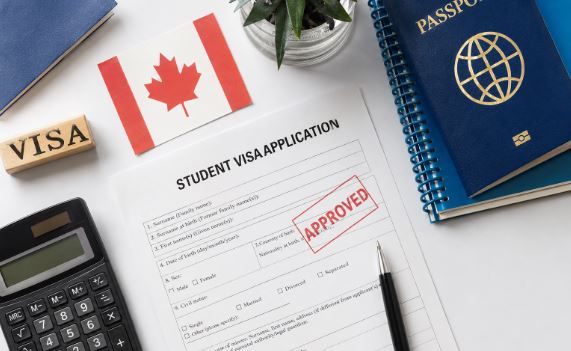
Before you leave home, confirm you have every item on this list. It is worth printing and ticking off physically.
- Valid passport with at least six months of validity remaining
- Medical visa or entry permit approved for treatment purposes
- Complete medical history and recent test reports or scans
- Prescription list with generic drug names, not just brand names
- Signed treatment plan and itemised cost estimate
- Travel insurance policy that explicitly covers surgical care
- Emergency, hospital, and embassy contact numbers
- Your companion’s travel documents, if someone is travelling with you
Traveling for Surgery Tips Most First-Time Patients Miss
A few practical details catch patients off guard every time, even when the big things are sorted.
Jet lag affects healing. If your flight crosses several time zones, arrive at least two to three days before surgery to let your body adjust.
Currency and payments matter. Confirm which payment methods the hospital accepts and carry a small amount of local currency for incidentals.
A local SIM or data plan helps. You will need reliable internet for teleconsultations, translation apps, and staying in touch with family back home.
Confirm your follow-up plan. Ask before you leave how your surgical team will monitor your recovery once you are back home.
Get Pre-Surgery Guidance: ask for a written treatment cost estimate before you travel, so nothing about your trip feels uncertain once you arrive.
Medical Tourism Preparation: Getting Ready Mentally and Physically
Preparation is not only logistical. Patients who feel informed and supported tend to recover faster and report less anxiety around the procedure itself. Read patient experiences if the hospital shares them, write down every question before your pre-travel call, and give yourself permission to rest fully in the days before you fly.
If you are still weighing your options, talk to a patient support advisor who can walk you through what to expect at every stage, from your first consultation to your return flight home.
Conclusion
Surgery abroad works best when it is planned like a medical decision, not just a trip. Verify your hospital, get a second opinion, understand your costs fully, and give your body time to prepare and recover properly. Patients who follow a checklist, rather than winging it, tend to have the smoothest experience and the fastest recovery.
Get Pre-Surgery Guidance: if you are ready to take the next step, get pre-surgery guidance from a team that supports international patients through every stage of the journey, from planning to recovery.
FAQs
Start four to six weeks before travel for tests, visa, and consultations.
Passport, visa, medical reports, prescriptions, insurance, and a surgeon’s clearance letter.
Yes. Always request one before finalising your treatment plan.
Ask for an itemised treatment and hospital stay cost estimate in writing.
Yes, confirm it covers surgical complications, not just travel delays.
It depends on the procedure. Ask your care team for a recovery timeline.
Yes, if possible. A companion helps with comfort and logistics.
Arrange teleconsultation follow-ups with your surgical team before leaving.
External Resources
- Joint Commission International – global standard for hospital accreditation and patient safety
- World Health Organization – Patient Safety – international guidance on safe surgical care
- CDC Travelers’ Health – health and vaccination guidance before international travel
- U.S. Department of State – International Travel – official travel advisories and medical travel guidance
Comments
[…] through how to prepare for surgery abroad step by […]
[…] case, once you have flown home. This is directly relevant when you are also trying to figure out how to prepare for surgery abroad and how much recovery time to build into your travel […]