
A missing tooth or a dentist’s quote back home can be the thing that finally pushes someone to look abroad. For a growing number of patients from the US, UK, Australia, and the Gulf, that search leads straight to India — a country that now handles a meaningful share of the world’s dental tourism because it pairs specialist-level dentistry with prices a fraction of what the same procedure costs at home.
Dental treatment in India for foreigners isn’t a fringe option anymore. It’s a well-established pathway with accredited clinics, English-speaking staff, digital treatment planning, and warranties on major work like implants and crowns. What used to feel like a leap of faith now looks more like a considered decision — provided you know how to compare clinics properly.
This guide walks through what makes a clinic a genuinely good fit, which cities lead in dental tourism India, what dental implants cost India-wide compared to Western prices, and how to plan a trip that goes smoothly from enquiry to recovery.
Why Foreigners Are Choosing India for Dental Treatment
The math is the obvious starting point. A single dental implant that costs $3,000–$5,000 in the US or UK typically runs $500–$900 in India — often including the crown. A full-mouth rehabilitation that would cost $30,000–$50,000 abroad can be completed in India for a fraction of that, sometimes across a single focused trip.
But cost isn’t the only draw. Indian dental clinics serving international patients tend to invest heavily in digital imaging, 3D scanning, and CAD/CAM crown technology — partly because they’re competing globally, not just locally. Many combine treatment with hospitality: airport pickup, accommodation coordination, and a dedicated case manager who handles communication in English from the first enquiry to the final follow-up.
It also helps that India already has decades of experience in medical tourism more broadly. The same infrastructure that supports international patients coming for cardiac care or IVF — accredited hospitals, insurance-friendly billing, patient coordinators — extends naturally into dentistry, which is one reason dental tourism India has grown as fast as it has.
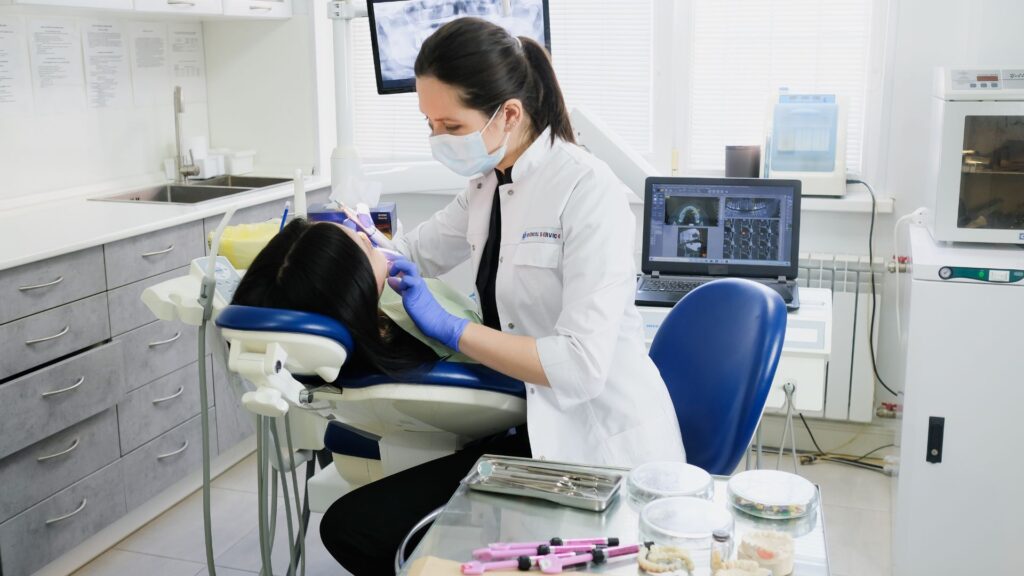
Clinic-Based Care vs. Package-Based Dental Tourism
Foreign patients generally choose between two models, and it’s worth knowing the difference before you start comparing quotes.
Booking directly with a clinic
This suits patients who already know which city they want to visit or who have a referral. You deal with the clinic’s own international patient coordinator, and you typically arrange your own flights and accommodation separately.
Booking through a dental tourism package
Packages bundle the procedure with accommodation, airport transfers, and sometimes local transport. They can simplify logistics considerably, especially for a first trip, though it’s still worth checking which clinic is actually doing the dental work and confirming its accreditation independently rather than relying on the package provider’s word alone.
Neither approach is inherently better — it comes down to how much you want to coordinate yourself versus hand off to someone else.
Dental Treatment in India for Foreigners: What Makes a Clinic Right for You
Not every clinic that treats international patients is set up to do it well. When comparing dental treatment in India for foreigners, a few factors separate the clinics worth shortlisting from the rest:
- NABH or ISO accreditation, which signals the clinic follows independently audited safety and hygiene protocols.
- A track record with international patients specifically — not just domestic walk-ins — including multilingual staff and virtual consultations before you fly.
- Transparent, itemised pricing given upfront rather than a vague ‘we’ll assess and quote’ approach.
- Written warranties on implants, crowns, and bridges, typically ranging from one to five years.
- A clear plan for follow-up care once you’re back home, whether through teleconsultation or a referral to a local dentist.
A clinic that ticks these boxes tends to make the whole experience feel closer to a well-run medical trip than a gamble.
Many patients extend their recovery days into a broader wellness trip. Advik Ayurveda ships its toxin-free skincare and haircare worldwide, so you can bring home more than just a new smile.
Best Cities in India for Dental Tourism
Where you get treated matters almost as much as who treats you — connectivity, recovery environment, and clinic density all vary by city.
Delhi & NCR
Delhi has one of the highest concentrations of high-end clinics and an international airport with direct connections to most major countries, making it a common first stop for patients from the US, UK, and Gulf region.
Mumbai
Known for cosmetic dentistry and advanced dental labs, Mumbai suits patients focused on smile makeovers, veneers, and precision aesthetic work, with a coastal setting that makes recovery days feel less clinical.
Chennai & Hyderabad
Both cities are strong choices for restorative work like root canals, crowns, and bridges, generally at some of the most affordable dentistry India has to offer without any compromise on technology.
Goa
A smaller but growing dental tourism hub, Goa appeals to patients who want a slower-paced recovery environment, often combining treatment with a few extra days by the coast.
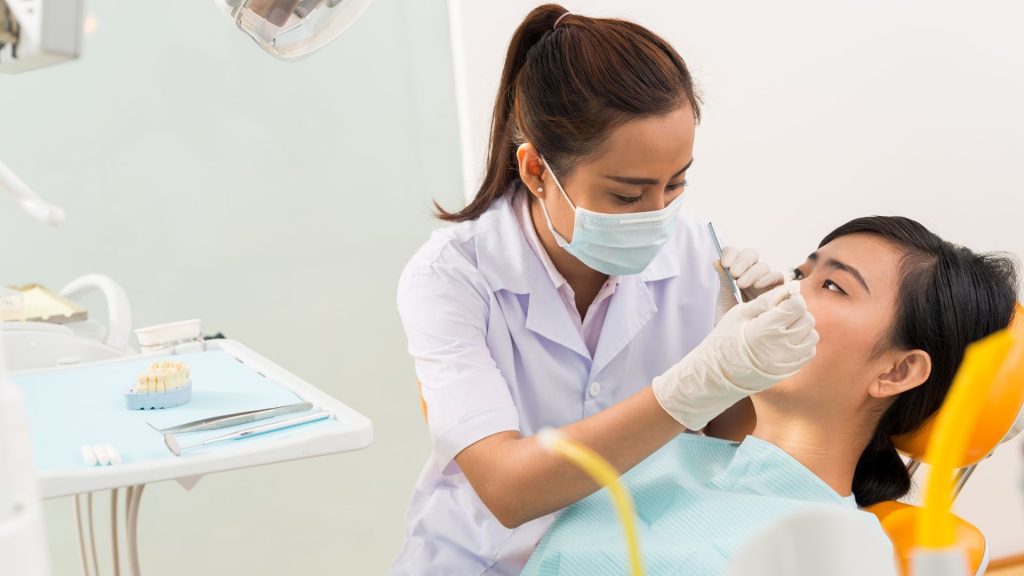
What Dental Implants Cost in India vs Back Home
Cost comparisons are where dental tourism India makes its strongest case. Based on current clinic pricing for international patients:
- Dental implants: roughly $500–$900 in India vs $3,000–$5,000 in the US.
- Root canal (single tooth): roughly $50–$120 in India vs $800–$1,200 in the US.
- Porcelain crown: roughly $100–$250 in India vs $1,000–$1,500 in the US.
- Full-mouth rehabilitation: roughly $5,000–$10,000 in India vs $30,000–$50,000 in the US.
These figures vary by clinic, city, and case complexity, so they’re a starting point for budgeting rather than a fixed quote. Materials also matter — ask specifically whether zirconia, titanium implants, and E-max ceramics (all international-grade materials) are included in the price you’re given.
If your treatment allows a few recovery days, it’s worth seeing more of the country while you’re here. Desh Sansaar’s journey through India’s rituals, arts, and lifestyle is a good starting point for planning that time.
How to Choose an Affordable, Accredited Clinic: A Checklist
Affordable dentistry India-wide doesn’t have to mean cutting corners. Use this checklist before committing to a clinic:
- Confirm accreditation directly rather than taking a clinic’s word for it — NABH’s own directory lists currently accredited facilities.
- Ask for a written treatment plan and cost breakdown before booking travel, not after arrival.
- Request before-and-after cases specific to your procedure, not just general clinic photos.
- Clarify how many visits your treatment needs — some implant cases require two trips spaced months apart, while others offer same-visit solutions.
- Check what happens if something needs adjustment after you’ve returned home.
A clinic that answers these questions clearly, without pressure to book immediately, is usually one worth trusting.
Planning Your Trip: Travel, Visa, and Recovery Time
Most international dental patients enter India on a medical visa or e-medical visa, which typically allows longer stays than a standard tourist visa and can often include one attendant. Processing times vary by country, so it’s worth starting this at least a few weeks ahead of your treatment dates.
Recovery time depends entirely on the procedure. Simple crowns or fillings may only need three to five days. Implants and full-mouth work often require one to two weeks, sometimes split across two visits several months apart to allow for healing. Building a short buffer into your itinerary — rather than flying out the same day treatment ends — makes for a far more comfortable recovery.
Not sure what your visa and travel timeline should look like? Morning Sun’s travel and visa assistance guide breaks down what international patients typically need to arrange.
FAQs:
Yes, provided you choose a clinic with NABH or ISO accreditation and a documented track record with international patients. Accreditation means the clinic follows independently audited hygiene and safety protocols.
Most patients from the US, UK, or Europe save 50–70% compared to home-country pricing, even after factoring in flights and accommodation.
Some cases do, since implants need time to integrate with the jawbone before the crown is placed. Advanced clinics sometimes offer same-day or single-visit solutions depending on your case.
Absolutely, and many patients do. Cities like Delhi, Mumbai, and Goa are well-connected and offer plenty to see during recovery days between appointments.
Reputable clinics typically offer teleconsultation for minor issues and can coordinate with a local dentist in your home country for anything that needs in-person follow-up.
External Resources
NABH — National Accreditation Board for Hospitals & Healthcare Providers (official directory)
Comments