
For many couples, fertility becomes a serious concern only when pregnancy doesn’t happen even after months of trying. When this happens, doctors usually recommend a few basic tests for both partners, and for men, the first and most important test is the Semen Analysis Report.
But here’s the problem:
Most semen reports come filled with numbers, abbreviations, and medical words that can confuse anyone. Terms like motility, morphology, progressive movement, and viscosity can feel overwhelming if you don’t know what they mean.
This guide is written exactly for that reason.
Simple English.
No complex medical jargon.
Real explanations that actually make sense.
By the time you finish reading this blog, you will understand every part of your Semen Analysis Report and what your numbers say about your fertility.

What Is a Semen Analysis Report?
A Semen Analysis Report is a laboratory test that examines the quality and quantity of sperm in your semen. Doctors use it to check if your sperm are healthy enough to fertilize an egg.
The sample is usually collected through masturbation in a lab collection room. The lab then evaluates the sample under a microscope and prepares a detailed report.
This report helps assess three major things:
- How many sperms are present
- How well they move
- How healthy and normal they look
Understanding these three points makes it much easier to read your Semen Analysis Report. When one of these areas is weak, it may affect the chances of pregnancy.
Why the Semen Analysis Report Is Important
You might be surprised to know that nearly half of all fertility struggles have something to do with male factors. The Semen Analysis Report is the easiest and most reliable way to evaluate male fertility without any complicated procedures.
Doctors rely on this report to guide:
- whether you need treatment
- what treatment might work
- how quickly conception can be expected
Sometimes, the Semen Analysis Report even helps detect underlying health issues like hormonal imbalance, infection, or lifestyle-related problems.
What to Expect When Giving a Sample
Before we decode the actual values, here’s a quick idea of what happens during sample collection:
- You’re asked to avoid ejaculation for 2–7 days
- You wash your hands properly
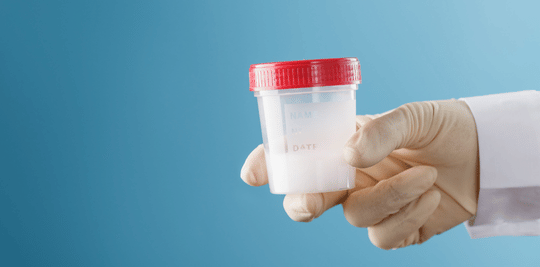
- You collect semen in a sterile container
- You hand it over immediately because delays can affect the results
Many men feel shy or uncomfortable, but the process is very normal and handled with privacy.
Once the sample is collected, the laboratory prepares the Semen Analysis Report, which usually comes on the same day or within 24 hours.
How to Read Your Semen Analysis Report
Let’s break down every component of the report in the simplest way possible.
1. Semen Volume
This tells how much semen you released.
- Normal range: 1.5 ml or more
If the volume is less, it could mean:
- incomplete collection
- dehydration
- retrograde ejaculation
- blocked ducts
Low volume doesn’t always mean infertility, but it can reduce the total number of sperm released.
2. Appearance & Liquefaction
Semen normally starts thick and becomes thinner within 30 minutes.
Your Semen Analysis Report may mention:
- Appearance: Grayish white is normal
- Liquefaction time: Within 30 minutes
If semen stays thick, sperms might struggle to swim freely.
3. pH Level
pH shows whether semen is acidic or alkaline.
- Normal pH: 7.2 to 8
A pH lower than 7 may suggest blockage.
A pH higher than 8 could signal infection.
4. Sperm Concentration (Sperm Count)
This is one of the most important parts of the Semen Analysis Report.
It tells you how many sperms are present in 1 milliliter of semen.
- Normal range: 15 million or more per ml
If the count is low, it’s called oligospermia.
If no sperm are present, it’s azoospermia.
A low sperm count doesn’t always mean you cannot father a child. Many men with a low count still conceive naturally, depending on motility and morphology.
5. Total Sperm Count
This number tells how many sperms are present in the entire ejaculate.
- Normal range: 39 million or more
This is simply sperm concentration × semen volume.
A healthy total count increases the chances of reaching the egg.
6. Sperm Motility
Motility is how well your sperm move.
Doctors divide motility into:
A. Progressive Motility
Sperms swimming in a straight line or large circle.
B. Non-Progressive Motility
Sperms moving but in small circles, not going anywhere.
C. Immotile
Not moving at all.
According to WHO standards:
- Total motility (progressive + non-progressive): 40% or more
- Progressive motility alone: 32% or more
Low motility is called asthenozoospermia.
Good motility increases the chance of reaching the egg.
When reading your Semen Analysis Report, focus especially on progressive motility—those are the sperms that actually travel toward the egg.
7. Sperm Morphology (Shape of the Sperm)
Morphology checks how many sperms have a normal shape.
A healthy sperm has:
- an oval head
- a midpiece
- a long tail
WHO considers:
- 4% or more normal forms as acceptable
This number may shock many men because it looks very low. But even 4% normal forms are considered fertile because millions of sperms are present.
If morphology is low, it’s called teratozoospermia.
Morphology problems can be linked to:
- smoking
- heat exposure
- toxins
- infections
- genetics
8. Vitality
Vitality shows how many sperms are alive.
Even if some don’t move, they may still be alive. This is assessed through special staining.
- Normal vitality: 58% or more live sperms
Vitality becomes important when motility is low.
9. White Blood Cells in Semen
Your Semen Analysis Report may include leukocyte count.
Too many white blood cells may indicate infection and can damage sperm.
- Normal: Less than 1 million per ml
High levels can affect motility and overall sperm health.
10. Other Observations in the Report
Some labs include extra information such as:
- round cells
- debris
- viscosity
- agglutination (sperms sticking together)
If agglutination is present, it may indicate antibodies that prevent sperm from moving freely.
Your Semen Analysis Report might also include comments from the lab technician. These notes help your doctor understand the overall picture.
How Lifestyle Affects Your Semen Analysis Report
Many men think sperm health is fixed and cannot be improved. That’s not true. Your body makes new sperm every 70–90 days, which means the results of your Semen Analysis Report can change with the right lifestyle steps.
Here are some factors that directly affect sperm:
1. Heat Exposure
Tight underwear, hot baths, saunas, and laptops on the lap can raise testicular temperature and lower sperm count.
2. Smoking & Alcohol
Both reduce sperm count, damage motility, and affect morphology.
3. Stress
Stress affects hormonal balance, reducing sperm production.
4. Obesity
Excess fat can disturb hormones and reduce sperm quality.
5. Poor Diet
Lack of vitamins, minerals, and antioxidants weakens sperm health.
6. Sleep Problems
Less than 6 hours of sleep affects testosterone levels.
Simple improvements can make a visible difference in your next Semen Analysis Report.

How to Improve Your Semen Analysis Report Naturally
Here are easy, proven tips that help improve sperm health:
Eat Antioxidant-Rich Foods
Include:
- walnuts
- almonds
- spinach
- oranges
- tomatoes
- carrots
- berries
Stay Hydrated
Semen volume improves when your body has enough fluids.
Exercise Regularly
Helps maintain healthy weight and testosterone levels.
Avoid Heat to Testicles
Wear loose cotton underwear.
Quit Smoking & Reduce Alcohol
Even small reductions help improve your Semen Analysis Report.
Take Supplements
Common ones include zinc, vitamin C, vitamin E, folic acid, carnitine, and CoQ10.
Never take supplements without consulting a doctor.
Manage Stress
Yoga, meditation, or simple breathing exercises can help improve hormonal balance.
Medical Treatments to Improve Semen Analysis Report Values
Doctors recommend treatment depending on what exactly is abnormal in the Semen Analysis Report.
1. Low Sperm Count
Possible treatments:
- hormone therapy
- medications for infection
- varicocele surgery
- lifestyle correction
- antioxidants
2. Low Motility
Treatments may include:
- antioxidants
- IUI (Intrauterine Insemination)
- avoiding heat
- treating varicocele
3. Abnormal Morphology
Doctors may suggest:
- lifestyle changes
- supplements
- IVF with ICSI
4. Absence of Sperm
This may require:
- genetic tests
- hormonal tests
- surgical sperm retrieval
- treating blockage
Your doctor will interpret your Semen Analysis Report along with symptoms, medical history, and sometimes an ultrasound or blood test.
How Often Should the Test Be Repeated?
One Semen Analysis Report is not enough to judge fertility. Sperm parameters can change due to sleep, stress, illness, or even last week’s lifestyle habits.
Doctors usually recommend:
- 2 or 3 tests
- At least 2–4 weeks apart
This gives a more accurate picture of sperm health.
Understanding Your Report Emotionally
Many men feel embarrassed or discouraged when they see low numbers on their Semen Analysis Report, but it’s important to remember something:
Sperm health can be improved.
Most issues are treatable.
One report does not decide your future.
Even couples with very low sperm values often conceive—sometimes naturally, sometimes with medical help.
If your Semen Analysis Report looks worrying, the best thing you can do is consult a fertility specialist. They will explain the cause and guide you with the right plan.
Keynote Takeaway
Your Semen Analysis Report is not just a sheet of numbers—it’s a guide that helps you understand your reproductive health. When you know what each value means, you feel more confident, more informed, and more prepared to take the next step.
The good news is that sperm quality can improve with the right lifestyle, medical guidance, and consistency. Understanding your Semen Analysis Report is the first step toward improving fertility and building the family you dream of.
FAQs:
1. How reliable is a Semen Analysis Report?
A Semen Analysis Report is very reliable when done in a certified lab. However, sperm values can change from day to day based on stress, sleep, fever, or lifestyle. That’s why doctors usually recommend doing the test two or three times for accuracy.
2. Can the values in my report improve naturally?
Yes, most people can improve their numbers with simple lifestyle changes—healthy food, proper sleep, regular exercise, and avoiding heat. Many men see noticeably better results in their next Semen Analysis Report after 2–3 months of healthy habits.
3. What if my sperm count is low?
A low count doesn’t automatically mean infertility. Many men with low values still become fathers. Your doctor may suggest supplements, medicines, treating infections, or lifestyle corrections. In some cases, procedures like IUI or IVF may be recommended.
4. Is one test enough to know my fertility?
Not really. You should repeat the test after a few weeks. Sperm health changes often, so repeating the test gives a clearer picture. Your doctor will look at all reports together before suggesting treatment.
5. Why do labs ask for abstinence before giving a sample?
You’re asked to avoid ejaculation for 2–7 days so that the semen contains enough sperm for accurate testing. Too little or too much abstinence can affect the values in your Semen Analysis Report.
6. Does age affect sperm quality?
Yes, sperm quality slowly declines with age—especially after 40. Motility and morphology may drop, but many men still father healthy children even later in life.
7. Are supplements helpful for improving sperm?
Many supplements like zinc, vitamin C, folic acid, CoQ10, and L-carnitine can support sperm health. But you should only take them after a doctor’s advice because the right dosage matters.
8. How long does it take for sperm to regenerate?
Your body needs around 70–90 days to make new sperm. This is why lifestyle changes or medicines show results in about 2–3 months in your next Semen Analysis Report.
9. Can stress affect my semen report?
Yes, stress affects hormones that control sperm production. Chronic stress can lower count and motility. Even simple relaxation habits like breathing exercises or a daily walk can help.
10. What should I do if my Semen Analysis Report shows no sperm?
Don’t panic. Many men with no sperm on the first test later show sperm in repeat tests. Your doctor may run hormonal tests, an ultrasound, or check for blockages. Some conditions can be treated, while others may require sperm retrieval techniques.
Comments