
Many couples who go through IVF often hear their doctor mention a term that sounds technical and a little confusing: Assisted Hatching in IVF. If you’re exploring fertility treatments or preparing for your next IVF cycle, understanding this technique can make your journey less stressful and far more empowering.
In simple terms, Assisted Hatching in IVF is a laboratory technique that helps an embryo “break out” of its outer shell so it can attach to the uterus more easily. While it may sound complex, the idea behind it is very logical. For a pregnancy to begin, the embryo must first hatch from its shell, then implant itself securely in the uterine lining. This is a natural step in early development, but sometimes the embryo has trouble hatching on its own. That is where Assisted Hatching in IVF comes in.
This guide explains the process in easy words—what it is, why some embryos need support, who benefits the most, and what risks you should know about before deciding.
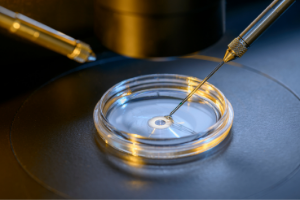
Why Embryo Hatching Matters in IVF
To understand why doctors use Assisted Hatching in IVF, it helps to know what happens during natural conception. Every embryo is surrounded by a protective shell known as the zona pellucida. It works like a thin capsule that keeps the early embryo safe as it divides and grows.
But this capsule cannot remain forever. When the embryo reaches a certain stage, it must break free. This hatching step allows the embryo to merge with the uterine lining. Without hatching, implantation cannot occur, and pregnancy will not begin.
During IVF, embryos are created outside the body. In some cases, their outer shell becomes harder or thicker than usual. A hardened outer shell can make hatching difficult. When this happens, even a healthy embryo may struggle to implant. To give the embryo a better chance, doctors may perform Assisted Hatching in IVF so the shell is softened or partially opened.
How Assisted Hatching in IVF Works
The process is done by highly trained embryologists inside the IVF lab. The goal is simple: create a tiny opening in the embryo’s shell without harming the embryo itself. This gentle opening helps the embryo come out easily when the time is right.
There are a few methods used in Assisted Hatching in IVF:
1. Laser-assisted hatching
This is the most commonly used method today. A precise laser beam creates a small opening in the shell. It is quick, controlled, and considered safe when performed by experts.
2. Chemical hatching
In this method, a mild acidic solution is applied to thin a small area of the shell. Once the shell softens, the chemical is removed immediately. This method is still used in some labs but is less common than laser techniques.
3. Mechanical hatching
The embryologist uses a fine needle to gently tear or thin a tiny opening in the shell. It requires great skill and is usually chosen in special cases.
Regardless of the method used, the purpose of Assisted Hatching in IVF stays the same—to make the embryo’s natural hatching process easier and smoother.
When Assisted Hatching in IVF Is Suggested
Not every IVF patient needs this technique. Doctors generally recommend Assisted Hatching in IVF only when they believe it can genuinely improve the chances of implantation. Some situations where this technique may be useful include:
1. Women Above 35
As women age, the embryo’s outer shell often becomes tougher. This natural change can reduce the chances of successful hatching. Many doctors suggest Assisted Hatching in IVF for women above 35 to improve implantation rates.
2. Previous IVF Failures
If someone has tried IVF two or more times without success, the doctor may suspect that the embryos had difficulty implanting. Assisted Hatching in IVF may be offered to improve the odds during the next cycle.
3. Embryos With Thick Zona Pellucida
Sometimes, the embryologist notices that the outer shell looks unusually thick under the microscope. A thick shell makes hatching harder, so Assisted Hatching in IVF can be helpful.
4. Frozen-Thawed Embryos
When embryos are frozen and later thawed, the outer shell may harden slightly. Assisted Hatching in IVF may help these embryos implant more easily.
5. Embryos at the Cleavage Stage
Some clinics do Assisted Hatching in IVF on Day 3 embryos if they think it will benefit implantation.
6. Patients With High FSH Levels
Women with high Follicle Stimulating Hormone (FSH) may have eggs that produce embryos with a tough shell. Assisted Hatching in IVF may help with implantation.
7. Certain Uterine Conditions
In rare cases, doctors may recommend Assisted Hatching in IVF to support embryos in women with specific uterine issues.
Benefits of Assisted Hatching in IVF
Although it’s not used for everyone, many patients experience positive outcomes when this technique is used appropriately.
1. Improved Implantation Chances
This is the biggest reason patients choose Assisted Hatching in IVF. It helps the embryo complete a step that might have been difficult on its own, leading to better attachment to the uterus.
2. Higher Pregnancy Rates in Select Cases
Research and clinical experience show that Assisted Hatching in IVF may improve pregnancy rates for women with repeated IVF failures, older women, and those with thick-shelled embryos.
3. Helpful for Frozen Embryo Transfers
Since frozen embryos may have a slightly tougher shell, Assisted Hatching in IVF can support the hatching stage and increase success rates.
4. Better Support for Low-Quality Embryos
Low-quality embryos sometimes lack the strength to hatch. Assisted Hatching in IVF can give these embryos a better fighting chance.
5. Minimal Discomfort
Assisted Hatching in IVF is done in the lab, so the patient does not feel anything. It does not require additional procedures or cause physical discomfort.
Risks and Possible Concerns
Even though Assisted Hatching in IVF is generally safe, it does carry some risks, just like any medical technique.
1. Potential Damage to the Embryo
While rare, creating an opening in the embryo’s shell can sometimes cause damage. This is why the skill of the lab team is extremely important.
2. Higher Chance of Identical Twins
When an embryo hatches through an artificial opening, it may increase the odds of the embryo splitting, leading to identical twins. While some couples may welcome this, it is considered a risk medically.
3. Not Effective for Everyone
Assisted Hatching in IVF is not a magic solution. It helps some patients but may not make a difference for others. A doctor’s evaluation is essential before deciding.
4. Additional Cost
Some clinics charge extra for Assisted Hatching in IVF. The cost varies from clinic to clinic, so patients should confirm it beforehand.
How Doctors Decide If You Need It
Every patient’s fertility story is different. Before suggesting Assisted Hatching in IVF, the doctor considers several factors:
- Age and fertility history
- Quality and appearance of embryos
- How many IVF cycles were attempted before
- Whether frozen embryos are being used
- Medical reports and lab observations
- Reasons behind previous implantation failures
If the doctor believes the embryos need help hatching, they may recommend Assisted Hatching in IVF as part of your treatment plan.

What Happens on the Day of the Procedure
For the patient, the process feels exactly like a normal embryo transfer cycle. You do not need to prepare differently. The only difference happens inside the lab.
Here’s what happens behind the scenes:
- The embryologist selects the embryo(s) for transfer.
- Using laser or another method, a tiny opening is created in the outer shell.
- The embryo is carefully cleaned and checked under the microscope.
- The embryo is transferred into the uterus as usual.
You won’t feel anything extra because the technique happens outside your body.
Does Assisted Hatching in IVF Increase Success Rates?
This is the question most couples ask. The honest answer is: it increases the chances in certain groups, especially:
- Women over 35
- Patients with previous failed cycles
- Embryos with thick shells
- Frozen embryos
For these groups, Assisted Hatching in IVF may improve implantation and pregnancy rates. However, if the embryos are already healthy and hatching normally, the technique may not add much benefit.
Many fertility specialists choose to use it selectively instead of routinely. The key is expert evaluation rather than using it for everyone.
How It Feels Emotionally
Many couples describe IVF as a mix of hope, fear, excitement, and worry. When you hear about techniques like Assisted Hatching in IVF, it can feel overwhelming. But understanding the purpose behind it often brings comfort.
Some couples feel relieved because they believe every extra step increases their chance. Others feel anxious about risks. Both emotions are normal.
Talking openly with your fertility specialist can give you clarity. Choosing Assisted Hatching in IVF should be a thoughtful decision based on medical advice—not pressure or fear.

Lifestyle Tips That Support Implantation Naturally
Even if you use Assisted Hatching in IVF, your lifestyle plays a huge role in helping the embryo implant successfully. Simple habits can support the process:
1. Stay Hydrated
Good hydration keeps the uterine lining healthy and receptive.
2. Eat Balanced Meals
Gentle nutrition with whole foods, fresh fruits, leafy vegetables, and lean protein supports hormone balance.
3. Avoid Stress
Stress is natural during IVF, but try breathing exercises, calming hobbies, or short walks.
4. Avoid Smoking and Alcohol
These can affect the lining and reduce implantation success.
5. Sleep Properly
Rest helps your hormones stay balanced and gives your body the strength it needs during IVF.
These habits do not replace medical care but they support your IVF journey, including when undergoing Assisted Hatching in IVF.
Keynote Takeaway
Assisted Hatching in IVF is not a one-size-fits-all procedure. It is a specialized technique designed to help embryos that may struggle to hatch naturally. For some couples, it offers a meaningful boost in implantation and pregnancy chances. For others, it may not be necessary at all.
The most important thing is understanding why your doctor is recommending it and how it fits into your overall IVF plan. When used at the right time and for the right reasons, Assisted Hatching in IVF can be a valuable part of your fertility journey.
FAQs:
1. Is Assisted Hatching in IVF painful?
No, it is not painful at all. The technique is done inside the lab, not in your body. You won’t feel anything extra during the embryo transfer.
2. Does Assisted Hatching in IVF improve the chances of pregnancy?
It may help in certain cases like women above 35, people with earlier IVF failures, frozen embryos, or embryos with a thick shell. It does not guarantee pregnancy, but it can support implantation for some patients.
3. Can all embryos undergo Assisted Hatching in IVF?
Not always. Doctors choose this technique only when they feel it is truly needed. If an embryo already looks healthy and is hatching naturally, it may not require any help.
4. Are there risks in Assisted Hatching in IVF?
Yes, a small risk is always there. The embryo may get harmed during the opening of the shell, or the chances of identical twins may increase. These risks are rare but possible.
5. Is Assisted Hatching in IVF recommended for first-time IVF patients?
Not typically. Most clinics reserve it for selected cases. First-time IVF patients are advised to try a cycle without it unless the doctor sees a strong reason.
6. Does Assisted Hatching in IVF add to the cost of IVF treatment?
Yes, most clinics charge extra for this technique. The amount differs from place to place, so it’s good to ask the clinic beforehand.
7. Is Assisted Hatching in IVF useful for frozen embryo transfers?
Yes, it can be helpful. Frozen embryos sometimes have a harder outer shell, and this technique may make implantation easier.
8. How long does the embryo stay in the lab after Assisted Hatching in IVF?
The embryo is usually transferred soon after the tiny opening is made. It does not stay in the lab for many extra hours.
Comments